A Detailed Guide To Concrete Bleeding: Causes, Effects, and Prevention
- Jan 19
- 9 min read
Key Takeaways:
Concrete bleeding happens when excess water rises to the surface of freshly placed concrete while the heavier cement and aggregates settle below.
A high water cement ratio, unsuitable cement type, poor aggregate grading, improper mixing, over vibration, and hot or windy weather can increase bleeding.
Uncontrolled bleeding can weaken the surface layer, increase porosity, reduce bond with reinforcement, and lead to cracks, scaling, laitance, and finish defects.
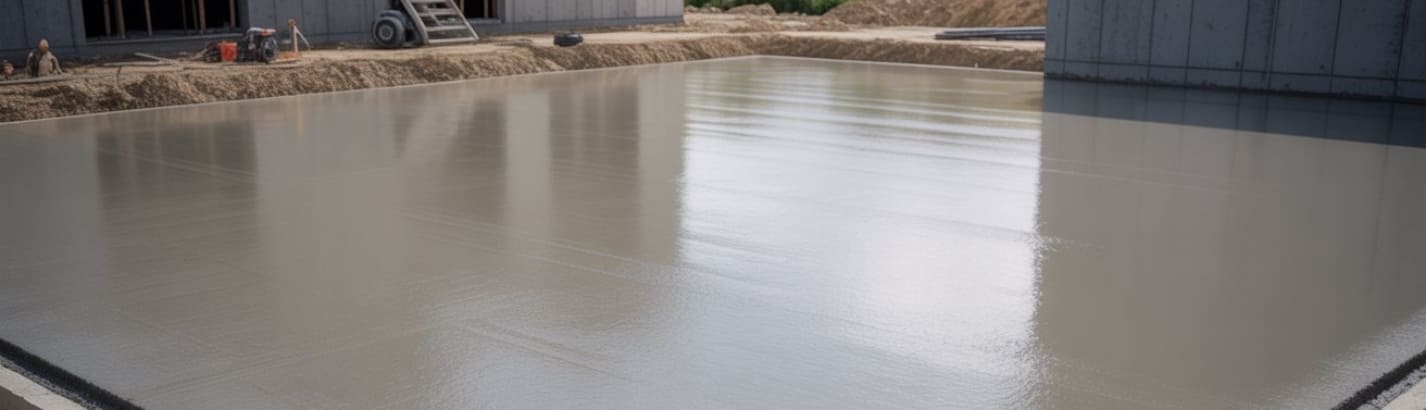
Visible surface water, wet or shiny concrete, pooling near edges, delayed setting, and porous surface texture are common signs of bleeding.
Bleeding can be reduced by controlling the water cement ratio, using well graded aggregates, choosing suitable admixtures, avoiding over vibration, placing concrete properly, and following correct curing practices.
In construction, maintaining structural integrity begins with understanding the basic behaviour of concrete during placement and setting. One such behaviour is concrete bleeding which happens to be a phenomenon that occurs during the early stages of concrete setting and can compromise the durability of the entire concrete structure if not addressed properly. As the industry shifts towards better quality control, understanding and managing bleeding is essential for ensuring long-term structural performance, particularly in critical areas like the building foundation.
What is Concrete Bleeding?
Concrete bleeding is a form of segregation in which water rises to the surface of freshly placed concrete because the heavier solids (cement and aggregates) settle downward under gravity. This rising water forms a thin film, creating surface irregularities and reducing the density of the upper layer.
The phenomenon is sometimes referred to as weeping, sweating, or water gain. It often results in the formation of a weaker layer at the top called laitance. This layer is more porous and susceptible to cracking, scaling, and early deterioration.
In mild forms, bleeding can help reduce plastic shrinkage. But when uncontrolled, it affects the bond between the cement paste and aggregates or reinforcement, reduces durability, and disrupts surface finishing operations.
What are the Common Causes of Concrete Bleeding?
Several factors influence the occurrence and severity of concrete bleeding. These causes are often interconnected, and understanding them helps maintain the integrity of the structure from concrete pouring to finishing:
Excess Water Content: A high water–cement ratio is one of the major causes of bleeding in concrete. Excess water reduces the cohesiveness of the mix and increases the amount of free water that can migrate upward as the heavier particles settle.
Cement Type: Certain types of cement bleed more due to their chemical and physical characteristics. Coarser cement particles have lower surface area and bind less water, allowing more free water to rise to the surface, which increases bleeding.
Fine Aggregates: Inadequate fines or poorly graded aggregates reduce the cohesiveness of concrete and prevent water from being properly retained within the matrix. As a result, free water rises to the surface while heavier solids settle, leading to bleeding and segregation.
Improper Mixing and Placement: Incomplete mixing can cause non-uniform distribution of materials, increasing bleeding. Poor placement techniques may lead to uneven settlement, which also contributes to bleeding. Excessive vibration disrupts the concrete matrix, causing heavier aggregates to settle and promoting segregation.
Environmental Conditions: Hot weather, low humidity, and windy conditions accelerate surface evaporation, which increases bleeding and drying shrinkage.
Admixtures and Slump: High‑slump mixes, especially when produced by excessive water or uncontrolled use of admixtures, can become water‑rich and less cohesive. Such mixes are more prone to bleeding because free water easily migrates to the surface. Generally, higher slump increases the likelihood of bleeding.
Aggregate Shape and Size: Rounded aggregates and poorly graded coarse materials create larger voids in the concrete matrix, allowing free water to rise more easily and increasing the risk of bleeding. In contrast, angular aggregates interlock effectively, reduce voids, and help minimize bleeding.
Concrete Height and Vibration: Over‑vibration causes segregation by forcing coarse aggregates to settle and pushing water and paste upward. If surface finishing is delayed or excessive troweling is done, it can draw additional water and paste to the top, worsening surface defects. Although these practices do not cause bleeding themselves, they can exaggerate the effects of existing bleed water and lead to a weak, water‑rich surface layer.
How does Bleeding Affect the Strength and Durability of Concrete?
Bleeding significantly affects both surface quality and internal strength. While the top layer may show immediate signs, the internal issues can appear much later, compromising the structure’s performance:
Reduced Strength: Bleeding dilutes the cement paste at the surface and around reinforcing steel, increasing the local water–cement ratio and creating weak, porous zones. This weakens the interfacial transition zone (ITZ), reduces the bond between paste and aggregates, and ultimately lowers the strength and durability of the concrete.
Surface Cracking and Shrinkage: Uneven evaporation of bleed water leads to early‑age plastic shrinkage cracks. These initial cracks form weak planes in the concrete, which may propagate under thermal movement, drying shrinkage, or applied loads, resulting in long‑term structural damage.
Increased Porosity: Rising water creates voids in the matrix. The resulting porosity allows for faster ingress of moisture and harmful chemicals, leading to reinforcement corrosion and freeze-thaw damage.
Surface Defects: Bleeding can contribute to surface and internal defects such as laitance formation and segregation, and it can indirectly worsen honeycombing by increasing voids and reducing paste cohesion. These defects not only appear visually unappealing but also increase permeability, reduce bond strength, and ultimately shorten the structural service life
Weak Reinforcement Bond: Water accumulating beneath steel bars weakens the bond between steel and paste. This directly affects the structural capacity of slabs, beams, and columns.
Finish Failures: Premature trowelling traps bleed water below the surface, causing blisters, scaling, and spalling. This requires costly rework or surface treatments.
Thermal Instability: Surface layers weakened by bleeding are prone to thermal cracking under fluctuating temperatures, further reducing the concrete structure’s durability.
How to Identify Concrete Bleeding?
Timely identification of concrete bleeding is essential to prevent defects during or after the pour. Common indicators include:
Persistent Surface Moisture: If the surface appears wet or shiny well after concrete pouring, it indicates water is rising from within.
Water Accumulation at Edges: Pooling of water around formwork edges or corners is a clear visual cue.
Delayed Setting Time: Slower setting at the top layer compared to the bottom suggests excessive surface water interfering with hydration.
Change in Surface Texture: Soft, spongy, or porous top layers suggest bleed water has disrupted the cement matrix.
Layer Separation: A visible watery layer on top of freshly poured building foundation slabs indicates water gain before setting.
Testing Methods:
A. Slump Test: Helps verify if the mix consistency is appropriate.
B. Bleeding Test (Filter Press): Used to determine water retention capability under pressure.
C. Air Entrainment Observation: Confirms if admixtures are helping reduce bleeding.
D. Surface Permeability and Bond Strength Check: Indicates effects of bleeding on long-term durability.
Solutions to Apply so as to Prevent Concrete Bleeding
Addressing concrete bleeding begins at the design and mix preparation stage. Implementing preventive measures helps ensure better workability, durability, and resistance to defects:
Reduce Water-Cement Ratio: Maintaining a controlled water-cement ratio ensures less free water in the mix, lowering the potential for bleeding.
Use Finer Cement and Pozzolanic Additives: Materials like silica fume, fly ash, or slag increase the surface area and density, reducing water migration.
Improve Fine Aggregate Quality: Adding well-graded fines helps retain water in the matrix. Avoid rounded or poorly graded sand that encourages separation.
Use Admixtures Carefully: Water-reducing and air-entraining admixtures help maintain workability without increasing water content. Microfibres can also slow down water rise.
Proper Mixing and Placement: Ensure thorough concrete mixing and avoid over-vibration during concrete pouring. Place the concrete in layers to reduce pressure and segregation.
Manage Temperature and Humidity: In hot climates, consider timing, surface misting, and wind breaks to prevent rapid evaporation and surface cracking.
Curing Techniques: Effective concrete curing retains moisture during setting, preventing premature drying and shrinkage cracks caused by bleeding.
Evaporation Control: Use surface retarders to slow down evaporation of bleed water and allow time for water to be reabsorbed into the matrix.
Concrete bleeding is a significant technical concern that can negatively impact the strength, durability, and surface finish of structural elements. While minor bleeding is unavoidable in most concrete mixes, effective construction practices prevent it from influencing the long‑term performance of foundations and structural components. Modern approaches emphasize controlling the water–cement ratio, improving mixing uniformity, optimizing material selection, and ensuring proper curing. Integrating these measures into standard construction workflows enhances concrete quality, reduces defects and maintenance requirements, and ultimately improves the reliability and service life of the finished structure.
FAQs
1. What is bleeding in construction?
In construction, bleeding usually refers to concrete bleeding. It is the process where excess water in freshly placed concrete rises to the surface while the heavier cement and aggregates settle down. If it is not controlled, it can create a weak and porous top layer, which may affect surface strength, finishing, and long-term durability.
2. What is bleeding of fresh concrete?
Bleeding of fresh concrete happens during the early setting stage, before the concrete has hardened. Water from the mix moves upward and forms a thin layer on the surface. A small amount of bleeding may occur in many concrete mixes, but excessive bleeding can lead to laitance, surface cracks, poor bonding, and reduced durability.
3. What are the factors affecting bleeding of concrete?
The main factors affecting bleeding of concrete include the water cement ratio, cement fineness, aggregate grading, proportion of fine aggregates, slump of the mix, use of admixtures, mixing quality, placement method, vibration, and weather conditions. Excess water, poor grading, over vibration, and hot or windy conditions can make bleeding more likely.
4. What is the difference between segregation and bleeding of concrete?
Segregation is the separation of concrete ingredients, where coarse aggregates, cement paste, and water do not remain uniformly distributed. Bleeding is a specific form of segregation where water rises to the surface of fresh concrete. In simple terms, segregation is the broader problem, while bleeding is one way in which that separation appears.

Cookies help us display personalized product recommendations and ensure you have a great experience.
Accept Cookies