Building a House? These 12 Factors Can Make or Break It
- Feb 9
- 6 min read
Constructing a house involves multiple steps, decisions, and coordination. Whether you're building on a family plot or starting from scratch, the home building process must be approached systematically to ensure quality, safety, and financial control.
This list clearly breaks down 12 important points every first-time home builder should follow, starting from layout planning to sourcing the right building material, up to completing the construction process efficiently.
1. Finalize the Land Before Planning Anything Else
The foundation of a successful home building journey begins with the right plot. Buying land without verifying documentation can lead to legal and regulatory problems. Issues with zoning, land use permissions, or unclear titles can delay the project significantly.
Before any construction or design decisions, confirm that the land has clear ownership, is free of encumbrances, and is approved for residential use. Work with a legal expert to validate the sale deed, encumbrance certificate, and municipal clearance.
2. Fix Your Budget and Track It Closely
Cost overruns are common in construction due to poor planning. Many homeowners underestimate how quickly spending can add up across different stages especially when material prices fluctuate or design changes happen mid-project.
Establish your total construction cost early, with itemized allocations for labor, design, permissions, and building material. Include a contingency buffer of 10–15% to handle unexpected expenses and use a simple spreadsheet or app to track payments and invoices.
3. Appoint a Reliable Architect or Building Designer
Designing a house, besides aesthetics, is also about compliance, ventilation, load-bearing safety, and practical movement within the house. A trained architect considers local regulations, soil type, and weather while designing the building layout.
Hire an architect with a solid track record in residential building projects. Review their previous work, ensure they understand your budget and lifestyle, and get a timeline for deliverables like concept drawings and structural plans.
4. Finalize a Proper Floor Plan
A well-thought-out floor plan allows for smooth movement, natural lighting, and functional use of each room. Poorly planned layouts can result in dead spaces, poor ventilation, or inconvenient room placements.
Prioritize simplicity and daily needs while designing the floor plan. Think ahead about family size, storage, work-from-home space, and future changes. Don’t overcrowd the plan with unused rooms or oversized elements that increase costs.
5. Choose the Right Building Contractor Through Due Diligence
Your building contractor will supervise on-site work, coordinate teams, and ensure structural execution matches the plan. Picking the wrong one can result in quality issues, delays, and budget escalation.
Interview multiple contractors before finalizing. Ask for references, inspect a recent site they've built, and clearly define payment terms, deadlines, and scope of work in a written contract.
6. Select Materials Based on Durability, Not Just Price
Every building material you choose, from bricks and sand to tiles and electrical fittings, affects the long-term performance of your home. Inferior materials may save money initially but lead to repairs and replacements later.
Consult your contractor and architect to prepare a material list suited to your region’s climate and soil. Always prioritize quality over cost, especially for structural materials like steel, concrete, and waterproofing components.
7. Choose the Best Cement for House Construction in India
Cement binds the structure together, and different types serve different functions. OPC and PPC are widely used for foundations, beams, slabs, and walls, depending on structural load and climate.
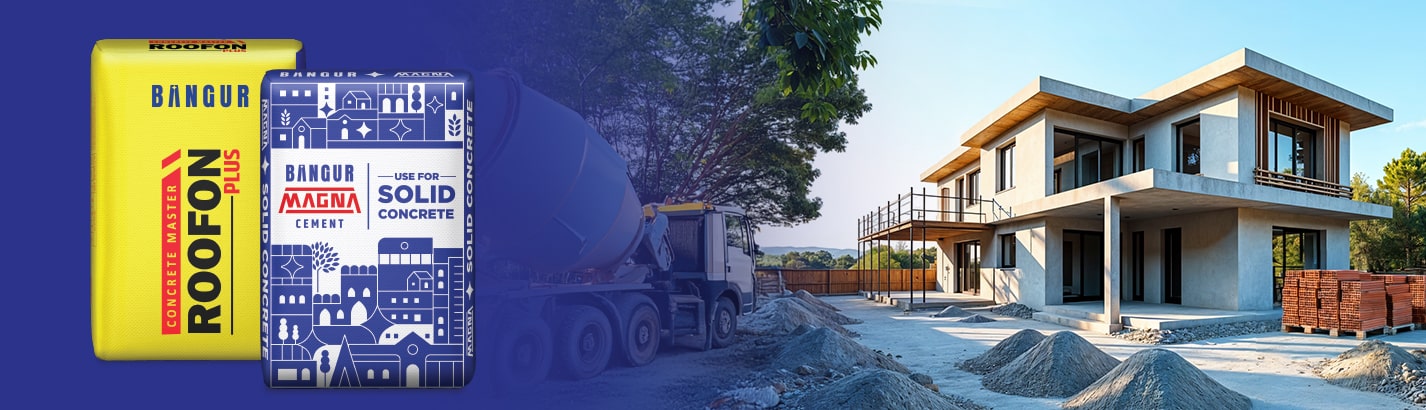
Work with your engineer to identify the best cement for house construction in India based on your site needs. It is advisable to go for premium products and best available in the industry are BANGUR MARBLE, BANGUR ROOFON PLUS AND BANGUR MAGNA. Stick to ISI-certified brands and avoid switching types midway through the project.
8. Book a Bulk Cement Order Early to Reduce Costs
Many first-time homeowners buy cement in small lots, which often results in price variations, inconsistent quality, and higher transport costs. It also delays progress if deliveries are not timed properly.
Once your structural timeline is fixed, plan a bulk cement order with your contractor. This will ensure uniformity across stages and help you negotiate better rates, provided the cement is used within its shelf life. Moreover, the cement should be stored well in order to avoid loss of strength due to improper storage.
9. Get Quotes from a Trusted Cement Dealer
The source of your cement matters as much as the brand itself. A cement dealer who follows proper storage conditions and delivery timelines can prevent wastage and delays.
Identify authorized dealers in your region, compare rates from at least two vendors, and confirm their delivery and payment policies. Ensure all bills are formal and include GST for accountability.
10. Monitor the Construction Process Stage by Stage
Many homeowners assume that once the plan is finalized, they can step back. But the construction process involves multiple phases where on-site oversight is critical to avoid misalignment or errors.
Break down the timeline into key stages—excavation, foundation, framing, slab work, walls, roof, and finishing. Make regular visits or ask for daily updates. Sign off each stage after quality checks before proceeding to the next.
11. Plan and Schedule All Services in Advance
Plumbing, electrical, waterproofing, solar, and rainwater harvesting systems must be integrated with the structure—not added as an afterthought. Lack of planning often leads to rework and increased costs. Pest Control should also be planned at the foundation stage itself.
Discuss these systems with your architect and finalize vendor quotes early. Schedule service installations in parallel with construction phases to maintain flow and reduce idle time.
12. Don’t Rush Through the Plastering Work and Finishing
Finishing stages like plastering work may seem simple, but poor execution affects the look and life of your home. Uneven plaster or improper curing can lead to cracks, dampness, and poor paint finish.
Ensure the mix ratios, tools, and workmanship meet quality standards. Use experienced labor, monitor surface levels, and allow proper curing before proceeding to paint or cladding.
Plan Well, Build Smart
A structured, well-managed approach to home building can help you avoid delays, rework, and excessive spending. From selecting the right building contractor and materials to planning each service in advance, these steps will keep your project aligned with your goals. Build with clarity and consistency, and you’ll end up with a house that stands strong for years to come.

Cookies help us display personalized product recommendations and ensure you have a great experience.
Accept Cookies