Why Concrete Slabs Crack? A Complete Guide to Causes and Prevention
- Jan 21
- 6 min read
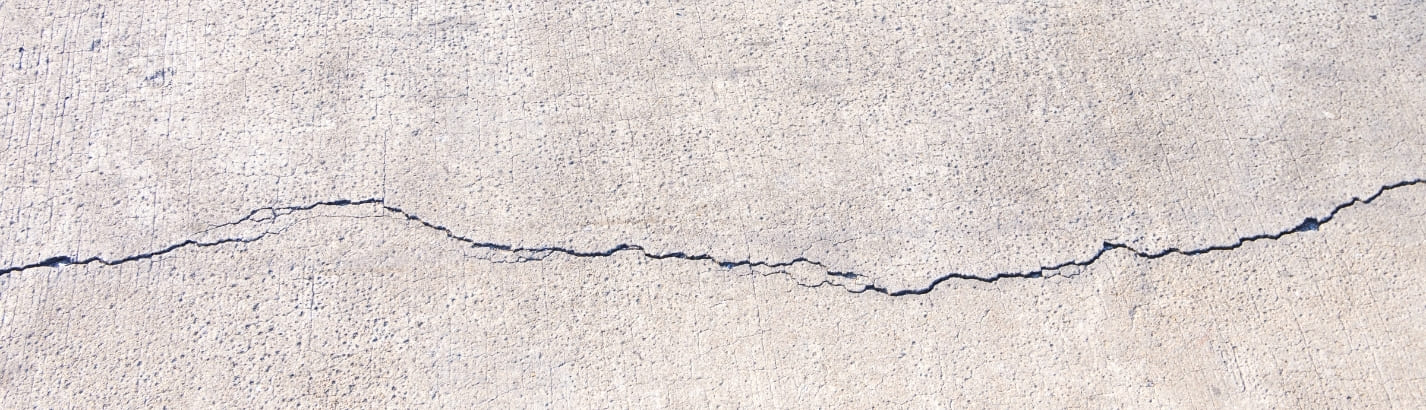
Concrete slabs make up the base of countless structures, from residential floors to commercial buildings, footpaths, patios, and parking areas. Despite their strength and reliability, it is very common to see cracks in a concrete slab. Homeowners, contractors, and builders often wonder why cracks appear even when the slab looks perfectly cast. The truth is that concrete cracks for many reasons, and many of those reasons start long before the slab is poured.
Cracks are not always a sign of structural failure, but they do indicate that something in the process of slab casting or slab construction did not go as planned. Understanding these causes makes it easier to avoid future problems and ensure that every slab performs as expected.
This guide explores the main reasons concrete slabs crack, how they form, and what you can do to prevent them.
1. Shrinkage During Drying
Shrinkage is one of the biggest contributors to cracks in slabs. Concrete shrinks as it dries because the water inside evaporates. During this process, internal stresses build up. If these stresses exceed the tensile strength of the concrete, cracks appear.
There are two types of shrinkage:
Plastic Shrinkage
This occurs in the first few hours after the slab is placed. If the surface loses moisture too quickly, it pulls apart, forming shallow cracks. Hot weather, dry winds, and low humidity increase the risk.
Drying Shrinkage
This happens over weeks or months as the slab continues to lose moisture. If the slab is restrained by walls, columns, or uneven foundations, cracks form as the concrete contracts.
Proper curing, moisture control, and protection during early hours are essential to reduce shrinkage cracks.
2. Adding Excess Water to the Mix
Water may make concrete easier to pour, but too much water significantly weakens the mix. During slab casting, people often add extra water to improve workability, especially when mixing manually or during hot weather.
However, excess water leads to:
Higher shrinkage
Lower strength
Increased porosity
Reduced durability
As the water evaporates, it leaves behind voids, making cracks more likely. Maintaining a correct water-to-cement ratio is one of the simplest ways to avoid cracks in slab construction.
3. Poor Subgrade Preparation
A concrete slab is only as strong as the ground beneath it. If the subgrade is soft, uneven, or poorly compacted, the slab settles unevenly. This settlement causes bending stresses, which lead to cracking.
Common subgrade issues include:
Loose soil
Uncompacted backfill
Expansive clay
Poor drainage
Uneven surface levels
Before a slab is cast, the subgrade must be stabilised, compacted, and levelled. A stable base distributes loads evenly and reduces structural stress.
4. Improper Reinforcement Placement
Reinforcement in concrete slabs controls cracking, not eliminates it. If steel reinforcement is placed incorrectly, the slab cannot resist internal stresses.
Examples of poor reinforcement include:
Bars placed too deep or too shallow
Insufficient cover
Inadequate spacing
Poor tying and alignment
Using the wrong bar diameter
Reinforcement must be positioned in the tension zone of the slab to resist pulling forces. Chairs, blocks, or supports should be used to maintain correct spacing during casting.
5. Rapid Surface Drying During Casting
Concrete needs time to hydrate properly. If the surface dries too quickly while the inner concrete is still fresh, the top layer contracts more than the rest, causing surface cracks.
Factors that accelerate surface drying:
Direct sun
Hot weather
Strong winds
Low humidity
Dark surfaces that absorb heat
Techniques like using curing compounds, windbreaks, shading, and sprinkling water at the right time help maintain moisture during the early stages of slab construction.
6. Inadequate Curing
Curing is essential for controlling moisture loss, strengthening the slab, and reducing shrinkage. Many cracks appear simply because the slab was not cured long enough or not cured at all.
Poor curing effects include:
Weak surface
Higher shrinkage
Low durability
Increased cracking
A slab should be cured for at least seven days. Methods include:
Wet burlap
Plastic sheets
Sprinkling water
Proper curing greatly improves long-term performance.
7. Temperature Changes and Thermal Movement
Concrete expands when heated and contracts when cooled. Without joints to accommodate movement, the slab develops cracks. Temperature variations between day and night also cause internal stress.
Cracks form when:
The slab cannot expand due to surrounding walls
There are no contraction joints
Environmental temperature fluctuates too quickly
Concrete hydration generates heat in thick slabs
Providing expansion joints and controlling hydration temperature helps manage thermal cracking.
8. Overloading the Slab
Every slab has a load capacity. Exceeding this limit causes bending, flexural tension, and ultimately cracks. Overloading happens when:
Heavy machinery is placed on a residential slab
Parking areas are used by vehicles heavier than intended
Furniture or storage weight exceeds design capacity
Reinforcement design and slab thickness must match expected load conditions. Under-design is a major cause of stress cracks.
9. Using Incorrect Concrete Mix Ratio
The strength of the slab depends on the concrete mix ratio. If the ratio is improperly chosen for the project, the slab cannot withstand stress.
Common ratio-related mistakes include:
Too much sand results in a weak mix
Too little aggregate reduces stability
Too much cement causes shrinkage
Poorly graded aggregates create voids
Concrete must follow recommended guidelines for the intended structure. Using a tested mix design reduces unnecessary cracking.
10. Poor Workmanship During Slab Casting
Slab construction requires skill and precision. Mistakes during casting create issues that show up later as cracks.
Workmanship errors include:
Uneven pouring
Poor compaction
Leaving voids or honeycombing
Overworking the surface
Delayed finishing
For example, trowelling too early brings water and fines to the surface, creating a weak layer known as laitance. This layer cracks easily.
Proper training and supervision ensure that slab casting is consistent and error-free.
11. Absence of Control and Expansion Joints
Control joints allow the slab to crack in predetermined straight lines rather than randomly. Without these joints, cracks appear anywhere.
Control joints must:
Be placed at correct intervals
Follow straight patterns
Reach one-fourth the slab thickness
Be inserted while the concrete is still workable
Expansion joints, on the other hand, allow slabs to expand without pressing against walls or other structures. Both are important for crack control.
12. Settling of Soil or Foundation Movement
Even after proper construction, the soil beneath the slab continues to change. Poor drainage, water seepage, tree roots, and shifting ground can cause the slab to move.
This settlement leads to:
Diagonal cracks
Separation from walls
Long-term structural damage
Soil testing and drainage planning reduce movement-related cracking.
13. Chemical Reactions and Material Problems
Although less common, chemical issues can cause cracking, especially over long periods. Examples include:
Alkali–aggregate reaction
Use of contaminated water
Impure aggregates
These reactions cause internal expansion and cracking. Using clean materials and following standards prevents chemical deterioration.
How to Reduce Cracks in Concrete Slabs
While cracks cannot be eliminated entirely, they can be controlled through:
Proper mix design
Correct reinforcement placement
Good curing practices
Subgrade preparation
Adequate joints
Skilled workmanship
Appropriate load design
Taking these steps ensures a stronger, more durable concrete slab.
Conclusion
Cracks in concrete slabs are common, but that does not mean they should be ignored. Most cracks appear because something in the process of slab casting, curing, or foundation preparation was compromised. When you understand the causes, you can prevent them effectively.
A concrete slab requires careful planning, the right materials, skilled execution, and proper curing. Whether you are building a home, a commercial floor, or an outdoor patio, avoiding the common mistakes listed above ensures that your slab remains strong, stable, and long-lasting.

Cookies help us display personalized product recommendations and ensure you have a great experience.
Accept Cookies