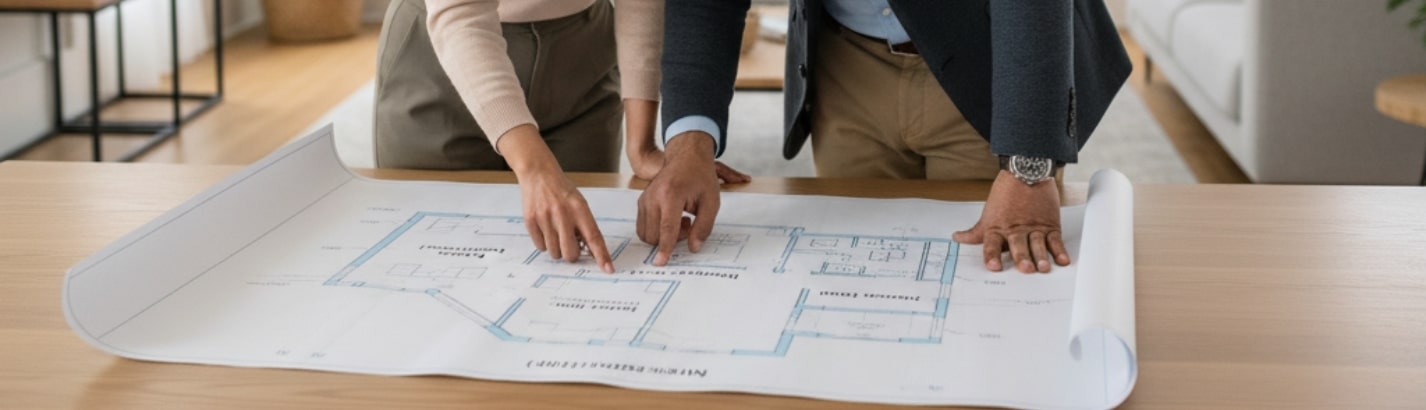
Designing a Floor Plan with Vastu: A Guide to Home Layouts
- Nov 18
- 4 min read
A well-planned home contributes to a sense of calm and balance. Many homeowners turn to Vastu home design as a way to align their living spaces with traditional design suggestions rooted in spatial flow and orientation. While not a science, Vastu is often considered a guiding framework for those looking to design with intention and care.
What is Vastu?
Vastu is an ancient Indian system of architecture focused on aligning built environments with natural elements. It revolves around optimizing the layout of a space to allow better movement of energy. A thoughtful Vastu floor plan is all about using longstanding principles to support comfort, clarity, and consistency in how spaces are used.
How to design a house according to Vastu?
Incorporating Vastu into your home layout involves more than directional choices. It requires planning around:
Shape and orientation of the house
Room placement
Main entrance direction
Positioning of furniture
Use of materials and colors
Each of these elements plays a part in creating a space that feels stable and intentional. Let’s look at how this plays out across key areas of the home.
Area-Wise Vastu Tips for Your Floor Plan
Here’s a breakdown of how different parts of your home can be planned based on Vastu recommendations.
Main Entrance
The main door sets the tone for the entire house. It is commonly recommended that the entrance face north or northeast, allowing a steady flow of positive energy. If the site doesn’t permit this, east is also suitable. A clean, well-lit, and uncluttered doorway is key.
Living Room
Often the most active zone in the house, the living room can be placed in the north, east, or northeast. These zones allow better natural light. Seating facing east or north is suggested. Avoid placing large furniture under beams or directly opposite the main door to reduce the feeling of heaviness or exposure.
Bathroom
For bathrooms and toilets, north or northwest zones are usually suggested. Proper ventilation is important in which case a window or exhaust fan helps. It is recommended to keep toilets away from the northeast, as that zone is generally reserved for more spiritually significant spaces.
Kitchen
In Vastu, the kitchen is associated with the fire element. The recommended kitchen location as per Vastu is the southeast. If that’s not possible, northwest is acceptable. Cooking while facing east is generally advised. Keep water-based elements like sinks and refrigerators in the northeast to maintain directional harmony.
Dining Area
The dining area should ideally be in the west or northwest parts of the house. Sitting while facing east or north is considered comfortable and conducive to a calm environment. Avoid placing the dining area directly below a bathroom or heavy structural features.
Bedroom
The master bedroom is typically recommended in the southwest zone for stability. Sleeping with your head pointing south or east aligns with Vastu guidelines. Mirrors or screens facing the bed are best avoided. Use soft colors and gentle lighting to support relaxation.
Balcony
Balconies facing northeast, east, or north are considered optimal for light and airflow. These areas also make good spaces for small indoor plants, light seating, or meditation. A home layout with a northeast-facing open space is thought to support fresh energy circulation.
Pooja Room
The ideal pooja room location as per Vastu is considered to be the northeast or east corner of the house. This placement is considered sacred and light-filled. A compact, uncluttered pooja space with minimal fixtures and soft lighting is commonly recommended.
Children’s Room
For children, rooms in the east or north are often suggested. A desk facing north or east helps focus. Avoid placing study areas under beams, as it may create a subconscious feeling of pressure.
A Vastu floor plan is a set of design cues that encourage better planning. The goal isn’t strict adherence, but thoughtful arrangement. If some suggestions don’t align with your space or personal belief, small adjustments in lighting, orientation, or decor can still make a difference so as to make your home feel comfortable, responsive, and well thought out. For well-aligned and efficient planning, consider consulting a professional architect or Vastu expert who can so as to get better advice.

Cookies help us display personalized product recommendations and ensure you have a great experience.
Accept Cookies