Step-by-Step Guide to a Strong Foundation: What Homeowners Should Know
- Nov 17
- 5 min read
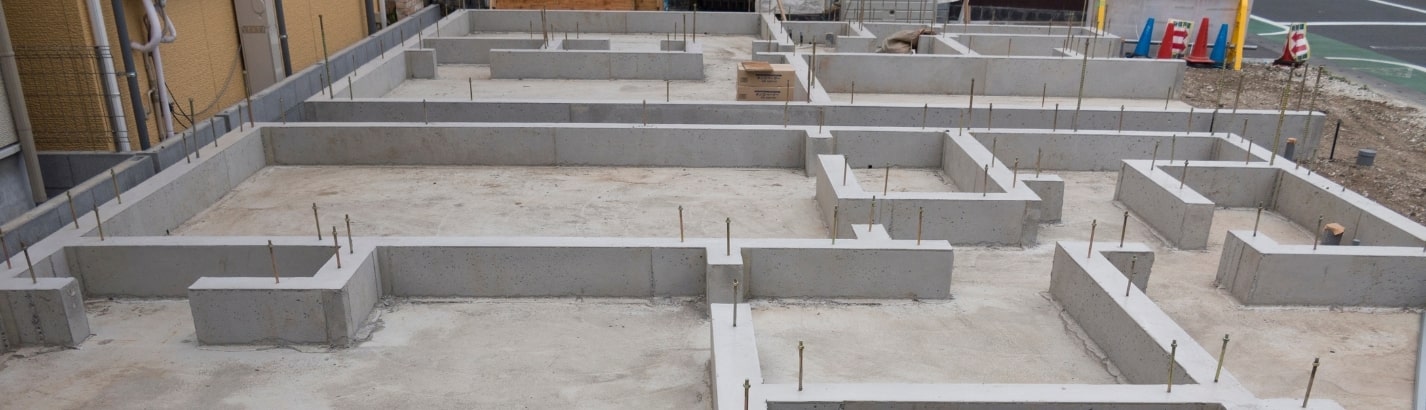
The building foundation determines whether your house stands strong for decades or develops cracks and settlement issues within years. It's what transfers all the weight from your walls, roof, and floors into the ground below.
Most homeowners never actually see foundation work happen. By the time you're selecting tiles or finalizing your kitchen layout, the foundation is already buried. Understanding what goes into building a proper house foundation helps you recognize quality work while construction process is happening.
Step 1: Soil Investigation and Site Preparation
Before excavation starts, you need a geotechnical engineer to test your soil. These tests show composition, strength, how much weight the soil can handle. The report becomes the most important document for deciding which foundation works for your plot.
Step 2: Choosing the Right Foundation Type
Based on soil analysis, your architect and structural engineer pick the foundation that works. There are two main categories:
A. Shallow Foundations
Used when soil at shallow depth (1-3 meters) is strong enough to support the structure. Common types include isolated footings that support individual columns, and raft or mat foundations consisting of a single thick concrete slab covering the entire house footprint. Raft foundations spread the load over a large area, making them suitable for soil with moderate bearing capacity.
B. Deep Foundations
Required when surface soil is weak and cannot adequately support the structure. Pile foundations use long, slender columns driven deep into the ground to rest on stronger soil layers far below the surface. These cost significantly more than shallow foundations but become necessary when soil conditions demand them.
The building foundation type significantly affects both construction timeline and budget, making the soil investigation results critical for project planning.
Step 3: Excavation
Once your foundation design is ready, excavation begins. Heavy machinery digs to the depth your structural drawings specify. The excavation needs to be precise because you're creating the base for everything that follows.
The depth depends on your foundation type and site conditions. Shallow foundations might only go 1-2 meters down. Pile foundations go much deeper. Monsoon season makes excavation more challenging because contractors have to manage water collecting in the excavation. Proper drainage matters, especially in areas that get heavy rainfall.
Step 4: Formwork and Reinforcement
Formwork is basically a temporary mould of wood or steel built around your excavated area. It holds the wet concrete and shapes your foundation.
Inside this formwork, workers position steel reinforcement bars (rebar) and tie them together in a grid pattern. Steel rebar provides your building foundation with the tensile strength that concrete lacks.
The spacing, diameter, and layout of rebar follow engineering specifications. Getting this wrong compromises your foundation's strength, though the problems might not show up for several years.
Step 5: Pouring the Concrete
With formwork and rebar ready, concrete gets poured. Getting the correct concrete mix ratio right is critical here. Engineers design specific ratios (of cement, sand, stone aggregate, and water) to achieve the compressive strength your foundation needs.
The concrete pour needs to happen continuously. Long breaks create "cold joints" where new concrete meets partially set concrete. These are weak points that can crack later. For large foundations, you'll see multiple concrete trucks arriving one after another to keep the pour continuous.
Step 6: Concrete Curing
A strong building foundation needs proper attention after the concrete pour. Concrete curing is the final critical step, and it gets ignored or rushed on many Indian construction sites.
Curing isn't just drying. It's a chemical process. Concrete needs to stay moist at favorable temperatures for days or weeks depending on conditions.
How to make a house foundation stronger? Foundation strength depends heavily on proper curing. Keep the concrete moist through regular water spraying or cover it with wet gunny bags. This prevents premature dehydration that weakens the concrete. In Indian summers, you might need to spray water 4-5 times daily for at least 7 days. Skipping or rushing curing is a common mistake that permanently reduces your foundation's strength. Read Also: How to Test the Compressive Strength of Concrete Effectively |
What are the 7 Steps of Construction for a Complete Construction Project?
Foundation work is just the start, though it's arguably the most critical phase. The typical construction process sequence goes: foundation work (everything we've covered above), then structural framing with columns and beams, roofing, external walls and windows, internal walls and doors, finishing work like flooring and painting, and finally utility installations (plumbing, electrical, HVAC).
Each phase builds on what came before. Foundation quality affects everything that follows. Errors at the foundation level impact structural integrity for the building's entire life.
How Do You Know if a House Has a Good Foundation?
Several things indicate strong foundation quality, though some issues need professional inspection to spot.
Visual checks show obvious problems. Look for significant cracks, especially horizontal ones or stair-step patterns in walls. Doors and windows should operate smoothly without sticking.
Floors should be level with no noticeable slopes or dips when you walk across them.
But many building foundation problems aren't visible to the untrained eye. Before buying a resale property, get a structural engineer to assess the foundation. This becomes especially important for older properties or buildings in areas with known soil problems.
What are the Four Types of Foundations Commonly Used in Residential Construction?
Beyond the shallow and deep categories we covered earlier, you'll encounter specific foundation types.
Isolated spread footings support individual columns.
Combined footings support multiple columns.
Raft foundations spread loads over large areas.
Pile foundations work for weak soil conditions.
Which one gets used depends on several factors like your soil conditions, how much your building weighs, local building codes, and budget constraints. An engineer looks at all these and recommends what makes sense for your specific situation.
Understanding these basics helps you ask better questions during the construction process. You can spot when contractors might be cutting corners on something that determines whether your house stands solid for 50 years or develops expensive problems in 10 years.

Cookies help us display personalized product recommendations and ensure you have a great experience.
Accept Cookies