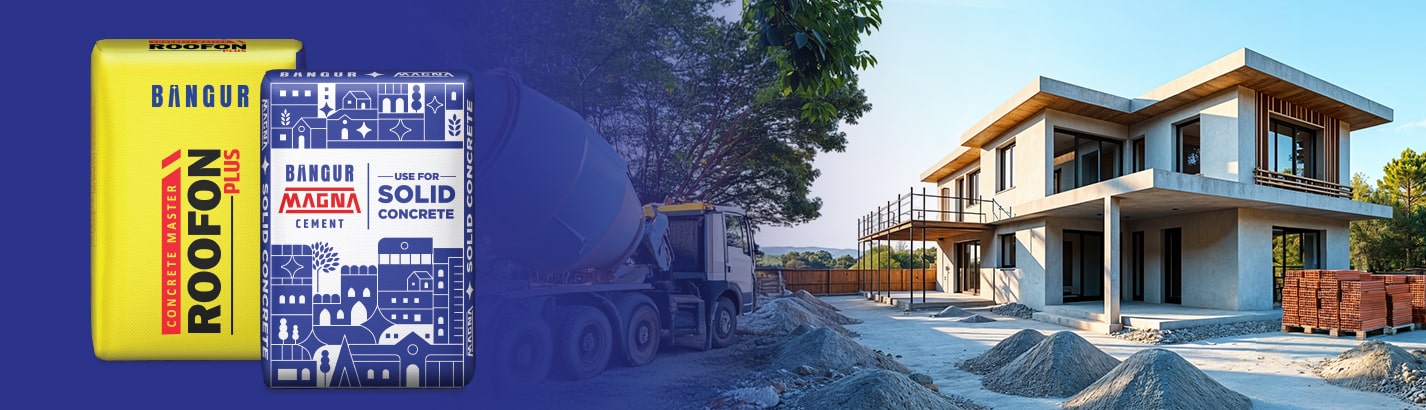
Building Your Dream Home? Here’s How Materials, Foundation and Structure Come Together
- Jun 26
- 6 min read
Building a home is one of the biggest investments you will ever make. Beyond the design, interiors, and aesthetics, the true strength of a house lies in the quality of its foundation, structure, and construction materials. A beautiful home may catch attention, but a strong and durable home stands the test of time.
From cement and concrete to bricks and wall construction, every material plays a role in shaping the safety, stability, and lifespan of your house. Understanding how these elements work together can help you make smarter construction decisions and avoid costly problems in the future.
Whether you are planning a new house or starting your first construction project, this guide explains how building materials, foundation design, and structural planning come together to create a reliable and long-lasting home.
Why the Foundation Matters More Than You Think
Every strong home begins with a solid foundation. The foundation transfers the weight of the entire structure to the ground and keeps the building stable over time. If the foundation is weak, even the most attractive house can develop cracks, uneven floors, water seepage, and structural damage.
The type of foundation required depends on several factors, including:
Building size and height
Climate conditions
Groundwater level
Construction load
A proper foundation design helps prevent settlement issues and improves the overall strength of the structure.
Common Types of Foundations Used in Homes
1. Shallow Foundation
This is the most commonly used foundation for residential houses. It works well when the soil near the surface is strong enough to support the structure.
2. Raft Foundation
Raft foundations spread the load of the building across a large area. These are often used where soil conditions are weaker.
3. Pile Foundation
Pile foundations are used when deeper, stronger soil layers are needed to support heavy structures.
No matter which type is chosen, using high-quality cement and concrete is essential for long-term durability. Trusted manufacturers like Shree Cement provide cement solutions designed to support strong and reliable construction from the ground up.
Understanding the Role of Concrete in Construction
Concrete is one of the most important construction and building materials used in modern homes. It forms the backbone of the structure by supporting slabs, beams, columns, and foundations.
Concrete is made by mixing:
Cement
Sand
Aggregates
Water
When these materials combine in the right proportions, they create a strong and durable material capable of handling heavy loads and harsh weather conditions.
Why Concrete Quality Matters
Poor-quality concrete can lead to:
Water leakage
Reduced lifespan
Weak load-bearing capacity
That is why proper concrete mixing, curing, and material selection are critical during construction.
Modern homeowners and builders increasingly focus on quality-controlled construction practices to improve structural reliability. Using premium cement products from companies like Shree Cement helps achieve better strength and consistency in concrete applications.
Cement: The Binding Force Behind Your Home
Cement acts as the binding material that holds construction components together. It plays a key role in concrete, plastering, masonry work, and wall construction.
The quality of cement directly affects:
Structural strength
Crack resistance
Durability
Moisture resistance
Choosing the right type of cement depends on the construction requirement.
Common Types of Cement Used in Residential Construction
Ordinary Portland Cement (OPC)
Often used for general construction work because of its high strength.
Portland Pozzolana Cement (PPC)
Popular for residential construction due to better durability and smoother finishing.
Rapid Hardening Cement
Used when faster construction progress is required.
Reliable cement brands help ensure consistent performance across different stages of construction. Many builders trust Shree Cement products because of their focus on quality and structural reliability.
Bricks and Wall Construction: More Than Just Dividers
Walls are not only meant to divide spaces. They contribute significantly to the strength, insulation, and protection of the house.
Wall construction involves careful planning of materials, thickness, alignment, and load distribution.
Types of Walls in Residential Construction
Load-Bearing Walls
These walls support the weight of the structure above them.
Partition Walls
Used mainly for separating spaces inside the house.
Retaining Walls
Built to hold back soil or water pressure in specific areas.
Choosing the Right Bricks
Bricks remain one of the most widely used construction materials because of their durability and thermal insulation properties.
Good-quality bricks should offer:
Uniform shape and size
High compressive strength
Low water absorption
Crack resistance
Poor brick quality can weaken wall construction and lead to moisture-related issues over time.
How Structural Design Holds Everything Together
Structural design ensures that every part of the building works together safely and efficiently. It determines how loads move through beams, columns, slabs, and walls into the foundation.
A well-designed structure improves:
Safety
Stability
Load distribution
Space utilization
Structural engineers carefully calculate building loads and material strength before construction begins.
Important Structural Components in a House
Columns: Columns transfer the building load to the foundation.
Beams: Beams connect columns and support slabs and walls.
Slabs: Slabs form the floors and roofs of the structure.
Reinforcement Steel: Steel bars strengthen concrete and improve resistance against tension forces.
Together, these elements create a stable and durable building framework.
The Importance of Material Quality in Home Construction
Even the best structural design can fail if poor-quality materials are used. Construction materials directly influence the performance and lifespan of the building.
Key Construction Materials That Need Careful Selection
Cement
Concrete
Bricks
Sand
Aggregates
Steel
Compromising on material quality may reduce initial expenses, but it often leads to expensive repairs later.
Using reliable construction materials from established companies like Shree Cement helps homeowners build stronger and safer homes with greater confidence.
Why Proper Curing is Essential
Many homeowners focus heavily on materials but overlook curing. Curing is the process of maintaining moisture in concrete and plaster for a specific period after application.
Proper curing helps:
Increase concrete strength
Prevent cracks
Improve durability
Reduce shrinkage
Insufficient curing can weaken even high-quality concrete.
Experts generally recommend curing concrete structures for at least 7 to 14 days, depending on weather conditions and construction requirements.
Balancing Strength with Aesthetics
A dream home should not only look beautiful but also remain structurally secure for decades.
Modern construction allows homeowners to combine:
Attractive architectural designs
Open layouts
Durable materials
Energy-efficient construction
Long-lasting structural systems
The key is maintaining the right balance between aesthetics and engineering.
For example, large windows and open spaces require proper beam and column planning to maintain structural stability. Similarly, decorative finishes should not compromise waterproofing or wall strength.
How Modern Construction is Evolving
Today’s construction industry focuses more on:
Faster construction methods
Better structural safety
Reduced environmental impact
Improved material efficiency
Ready-mix concrete, advanced cement formulations, and engineered construction practices are becoming increasingly common in residential projects.
Manufacturers like Shree Cement continue supporting this shift by offering high-performance cement products suitable for modern construction needs.
Final Thoughts
Building your dream home involves much more than choosing paint colors or interior décor. The true success of a house depends on how well the foundation, structure, and construction materials work together.
A strong foundation supports the building. Quality concrete and cement provide durability. Proper wall construction improves stability and protection. Structural planning ensures the entire house remains safe and balanced for years to come.
When every component is carefully planned and executed, your home becomes more than just a living space. It becomes a long-term investment built on strength, safety, and reliability.
Choosing trusted building materials from established companies like Shree Cement can help you move one step closer to building a home designed to last for generations.

Cookies help us display personalized product recommendations and ensure you have a great experience.
Accept Cookies