Choosing the Right Concrete Mixing Method for Your Construction
- Apr 13
- 5 min read
Concrete work majorly depends on how the mix is prepared, handled, and delivered. This blog differentiates between different concrete mixing methods and helps you choose the right fit for your project. It explains how manual mixing, a concrete mixer, and a concrete mixer truck serve different purposes based on project size, site conditions, and delivery needs.
Concrete Mixer vs Concrete Mixer Truck vs Manual Mixing
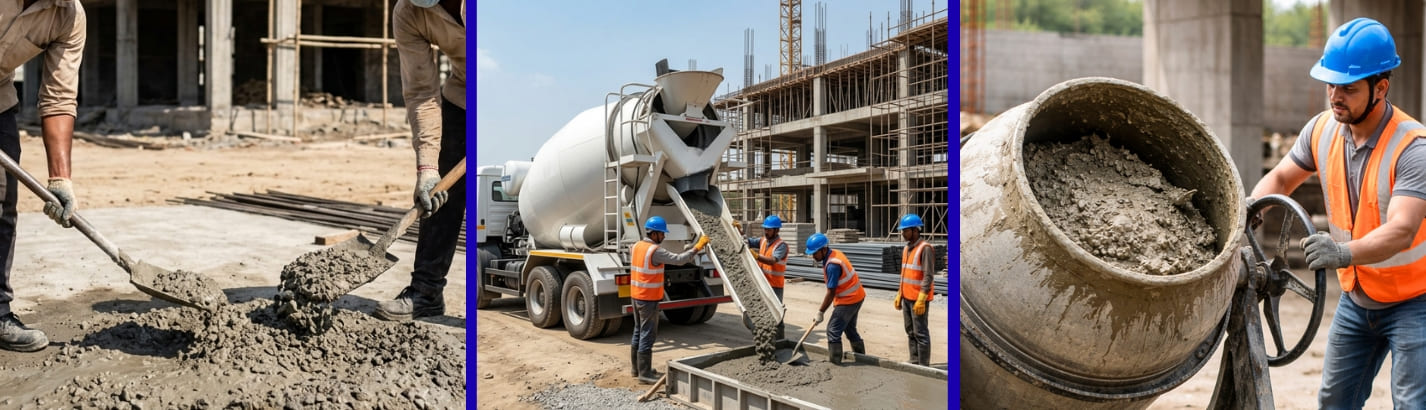
On a construction site, the method used for mixing can affect consistency, labour needs, and overall construction time. In practice, the choice usually comes down to three options: manual mixing, the use of a concrete mixer, or a concrete mixer truck.
These are not the same. Each serves a different purpose and suits a different type of work. Manual mixing is typically used for very small quantities. A concrete mixer is used to prepare concrete at the site itself. A concrete mixer truck, on the other hand, is mainly used to carry already mixed concrete from a plant to the construction site. Understanding the difference between these methods helps in choosing the right approach for the work at hand.
Quick Differences Between Concrete Mixing Methods
Aspect | Manual mixing | Concrete Mixer machine | Concrete Mixer Truck |
|---|---|---|---|
Primary role | Mixing materials by hand at site | Preparing concrete on-site using a drum or mixing chamber | Transporting already mixed concrete from plant to site |
Best use case | Very small works, minor repairs, low-volume non-critical jobs | Small to medium-sized jobs, manageable site work, remote locations | Larger pours, scheduled deliveries, long-distance supply |
Benefits | Simple method, useful where only limited concrete is needed | Better mix uniformity, improved control, reduced manual labour | Maintains workability during transit, supports continuous work, useful for planned supply |
Limitations | Lower consistency, labour dependent, slower when quantity increases | Still depends on site production and project scale | It is a delivery solution, not an on-site mixing solution |
What are the types of concrete mixers?
A concrete mixer machine is used to prepare concrete at the site itself. The ingredients are added into a drum or mixing chamber, and the machine produces a more even concrete mixture than hand mixing. This improves control and reduces dependence on manual labour.
There are two broad types of mixer machines:
Batch mixers, which mix a fixed quantity at one time
Continuous mixers, which keep producing mixed material as ingredients are fed into the chamber
Use of Each Type
A batch mixer is better for small to medium-sized jobs where concrete is needed in planned quantities
A continuous mixer is more suitable where material is required in larger volume and at a steady rate
The role of a mixer machine is to offer on-site production. It is useful when concrete has to be prepared close to the point of use, when the project size is manageable, or when the site is in a remote location and outside supply is not practical.
What is a benefit of using a concrete mixer truck for construction?
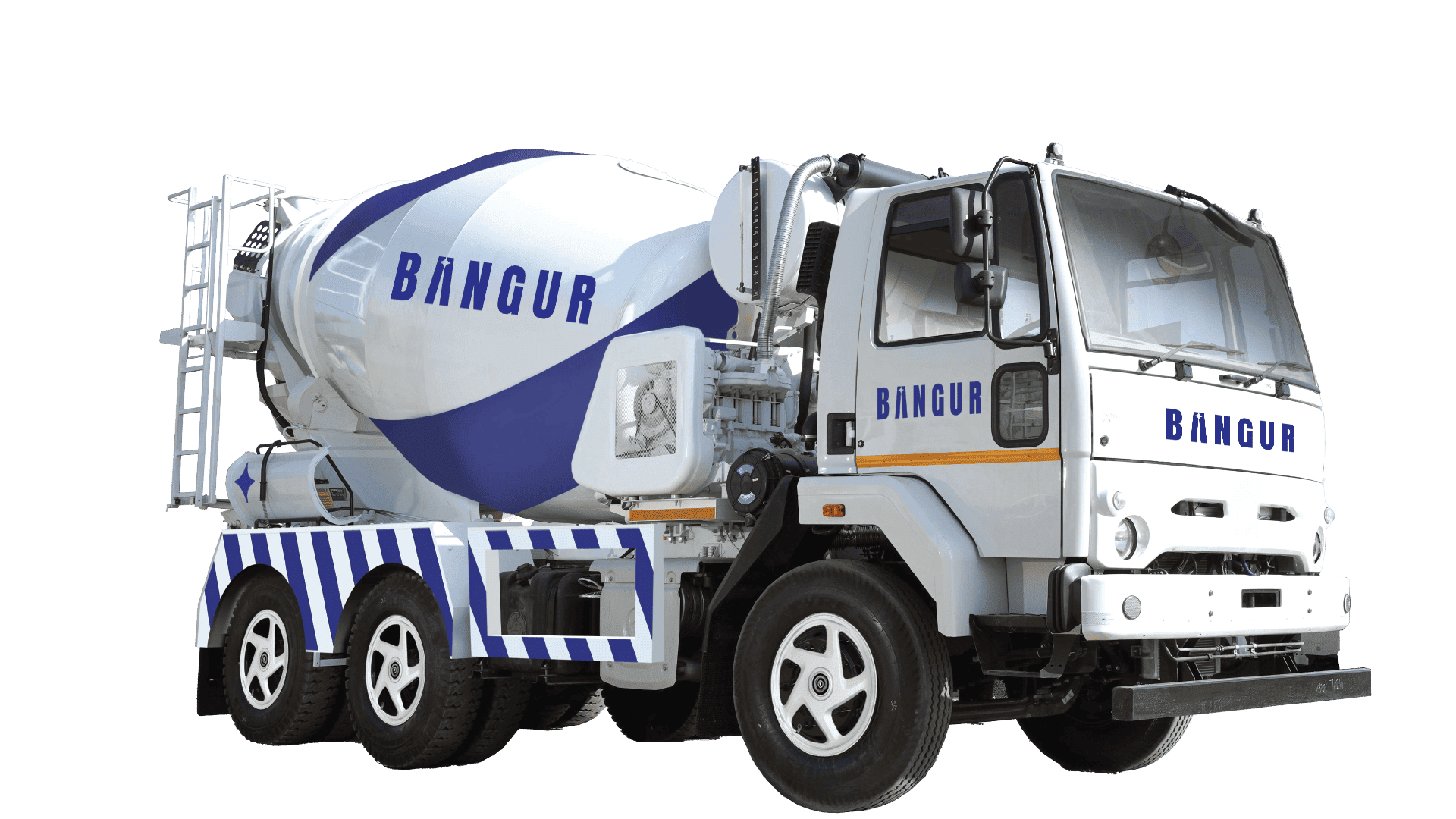
A concrete mixer truck is mainly used to carry already mixed concrete from a plant to the construction site. Its rotating drum keeps the material in motion during transit so the mix stays workable and does not set too early. When concrete is supplied from a plant, timing becomes critical. The concrete mixer truck helps keep the material usable while it is being transported.
The main difference between the two is simple:
A concrete mixer machine prepares concrete on-site
A concrete mixer truck transports freshly mixed concrete to the site
That distinction matters in planning. A concrete mixer is a mixing solution. A truck is a delivery solution. Here are some of the beneficial uses of a concrete mixer truck.
Constant drum rotation helps maintain a uniform mix
It reduces the risk of early setting
It helps reduce separation of materials during transit
It becomes especially useful for longer travel distances or uncertain road conditions
Moisture control, temperature control, and proper load handling support mix consistency during transport
If there is a delay before pouring, continued drum rotation can help keep the concrete workable for a longer period
It is a practical option for larger pours, scheduled deliveries, and jobs where work must continue without interruption
Which One to Choose Based on Project Size?
The right concrete mixing method depends on scale, distance, and site needs.
For very small works, minor repairs, and low-volume non-critical tasks, manual mixing is usually enough. It is simple and workable where only a limited quantity of concrete is needed, but it is less reliable when consistency matters.
For small to medium-sized projects, a concrete mixer machine is usually the better choice. It allows concrete to be prepared at the site, improves mix uniformity, and reduces labour dependence. This is especially useful when the project size is manageable or when the site is remote and outside supply is not practical.
For larger pours or projects that depend on planned supply from a plant, a concrete mixer truck becomes more suitable. It helps transport freshly mixed concrete while keeping it workable during transit. This is useful where work needs to continue without interruption or where travel distance makes timing and mix stability more important.
In the end, the correct choice is not just about how concrete is mixed. It is also about how much is needed, where it is needed, and how the work is planned on site.

Cookies help us display personalized product recommendations and ensure you have a great experience.
Accept Cookies