Best Cement Company in India: What Defines Quality Cement and Why It Matters for Your Home
- Jun 26
- 7 min read
Choosing the right cement is one of the most important decisions in any construction project. Whether you are building a dream home, renovating an existing structure, or planning a commercial property, the quality of cement directly affects the strength, durability, and lifespan of the building.
India is one of the largest cement-producing countries in the world, with several manufacturers offering different types of cement for various construction needs. But with so many options available, homeowners and builders often ask the same question: how do you identify the best cement company in India?
The answer goes beyond branding or price. Quality cement depends on manufacturing standards, consistency, strength, durability, and long-term performance. This is where trusted brands with strong manufacturing capabilities and proven quality control systems stand out.
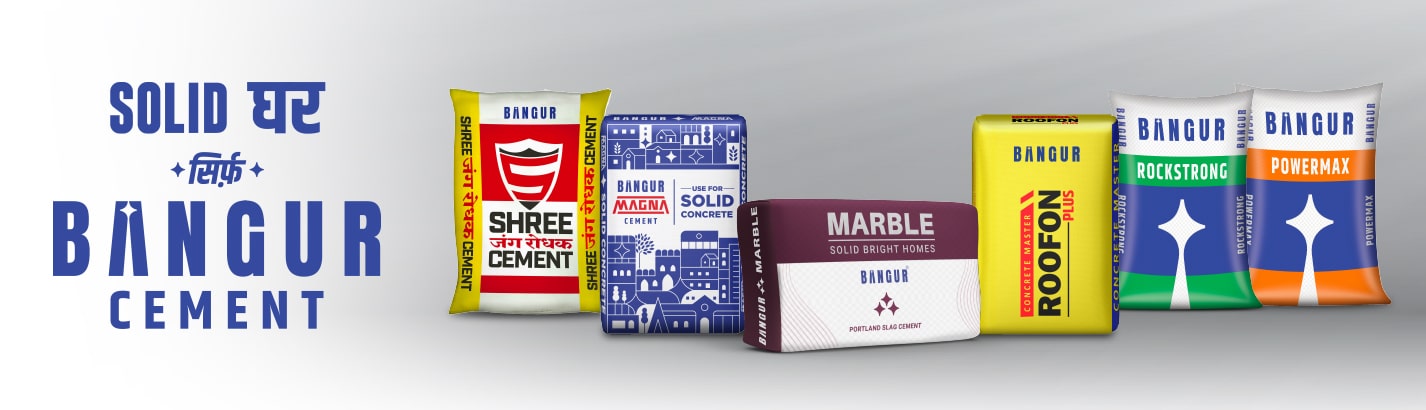
In this guide, we will explore what defines best quality cement, the different types of cement used in construction, and why many homeowners and builders trust products from Shree Cement and Bangur Cement for reliable construction performance.
Why Cement Quality Matters in Construction
Cement acts as the binding material that holds concrete, bricks, and structural components together. It plays a major role in:
Structural strength
Durability
Water resistance
Long-term stability
Poor-quality cement can weaken the entire structure and increase the chances of:
Wall cracks
Structural deterioration
Reduced building lifespan
On the other hand, high-quality cement improves the overall reliability and safety of the building.
That is why selecting cement from a trusted cement manufacturing company becomes essential for both residential and commercial projects.
What Defines the Best Quality Cement?
Several factors determine whether a cement product meets high construction standards.
1. Consistent Strength
One of the biggest indicators of cement quality is compressive strength. Strong cement helps concrete withstand heavy loads and environmental stress.
Consistent strength ensures:
Better structural stability
Improved safety
Longer building life
Reliable manufacturers maintain strict quality control throughout the cement manufacturing process to ensure uniform performance.
2. Proper Setting Time
The setting time of cement affects workability during construction.
Ideal Initial Setting Time Helps:
Smooth application
Better finishing
Balanced Final Setting Time Supports:
Faster construction progress
Improved bonding
Stronger structural development
High-quality cement offers balanced setting characteristics that help construction teams work efficiently.
3. Fineness of Cement
Finer cement particles improve hydration and bonding strength.
Benefits of proper fineness include:
Better concrete strength
Smoother plaster finish
Improved durability
Modern cement manufacturing plants use advanced grinding technologies to achieve optimal fineness levels.
4. Durability and Crack Resistance
Good cement should withstand:
Moisture exposure
Temperature changes
Chemical reactions
Environmental stress
Durable cement reduces maintenance costs and improves the life of the structure.
This is one reason many builders prefer established brands like Shree Cement, known for their quality-focused construction materials.
5. Quality Manufacturing Standards
The best cement companies maintain strict manufacturing processes and testing procedures.
Advanced cement manufacturing facilities help ensure:
Uniform composition
Better quality control
Improved consistency
Reliable structural performance
Manufacturers with modern plants and research-driven production systems often deliver more dependable products.
Understanding Different Types of Cement
Different construction projects require different types of cement. Understanding these options can help homeowners choose the right product.
1. Ordinary Portland Cement (OPC)
OPC is widely used in structural construction because of its high early strength.
It is commonly used for:
Foundations
Beams
Columns
Roads
Builders often prefer OPC for projects requiring faster strength development.
2. Portland Pozzolana Cement (PPC)
PPC contains pozzolanic materials that improve long-term durability.
Advantages include:
Better crack resistance
Lower heat generation
Improved workability
Greater durability
PPC is widely used in residential construction.
3. Portland Slag Cement (PSC)
PSC offers good resistance against chemicals and moisture.
It is suitable for:
Coastal areas
Marine structures
Water-retaining structures
4. Rapid Hardening Cement
This type gains strength quickly and helps speed up construction work.
It is commonly used for:
Repair projects
Fast-track construction
Cold-weather applications
Choosing the correct type of cement helps improve both structural performance and construction efficiency.
The Role of Cement Manufacturing in Quality
The cement manufacturing process plays a huge role in determining product quality.
Key Stages in Cement Manufacturing
Raw Material Selection
High-quality limestone and minerals are essential for producing strong cement.
Clinker Production
The raw materials are heated at high temperatures to form clinker.
Grinding and Blending
Clinker is finely ground and blended with additives to create different cement types.
Quality Testing
Manufacturers conduct laboratory testing to ensure strength, consistency, and performance standards.
Companies with advanced cement manufacturing infrastructure can maintain better product reliability across batches.
Why Brand Trust Matters in Cement Selection
Home construction is a long-term investment. Choosing cement only based on price can lead to expensive maintenance problems later.
Trusted cement companies often offer:
Better product consistency
Stronger technical support
Proven market reputation
Reliable manufacturing standards
This is why many homeowners and contractors prefer established names like Bangur Cement, backed by the manufacturing expertise of Shree Cement.
Why Bangur Cement Stands Out for Home Construction
Bangur Cement has built strong recognition in the Indian construction industry because of its focus on quality, durability, and reliable performance.
Strong Manufacturing Support
Backed by the expertise and large-scale operations of Shree Cement, Bangur Cement benefits from advanced manufacturing processes and modern production technologies.
This helps maintain consistent product quality across different construction applications.
Reliable Strength and Durability
Homeowners and builders look for cement that delivers dependable structural performance over time.
Bangur Cement is widely associated with:
A. Strong bonding properties
B. Better crack resistance
C. Improved durability
D. Consistent performance
These qualities are especially important for residential construction where long-term reliability matters.
Suitable for Different Construction Needs
Whether it is foundation work, concrete mixing, plastering, or wall construction, Bangur Cement supports multiple construction applications effectively.
Its versatility makes it suitable for:
A. Residential homes
B. Commercial projects
C. Renovation work
D. Structural concrete applications
E. Focus on Quality Standards
Quality control remains a major factor in cement performance.
Modern manufacturing and testing systems help ensure the cement meets construction standards required for safe and durable buildings.
How to Choose the Right Cement for Your Home
Before selecting cement, consider the following factors carefully.
Type of Construction
Different structures require different cement properties.
For example:
High-rise structures may need high-strength cement
Residential homes may benefit from durable PPC cement
Coastal areas may require moisture-resistant cement
Climate Conditions
Weather and environmental exposure affect cement performance.
Moisture-prone regions often require cement with better water resistance.
Structural Requirements
Foundations, slabs, columns, and plastering may require different cement characteristics.
Brand Reliability
Choose manufacturers with a strong reputation for consistent quality and performance.
Technical Support
Established brands often provide better guidance and product recommendations for different applications.
Common Mistakes to Avoid While Buying Cement
Ignoring Manufacturing Date: Old cement may lose strength over time.
Improper Storage: Cement exposed to moisture can harden and become ineffective.
Choosing Based Only on Cost: Cheaper cement may compromise long-term durability.
Not Checking Construction Needs: Different projects require different cement types.
Overlooking Quality Certifications: Always ensure the cement meets recognized quality standards.
The Future of Cement in India
India’s construction sector continues growing rapidly because of urbanization, infrastructure development, and increasing housing demand.
Modern cement companies now focus on:
Sustainable manufacturing
Energy-efficient production
Improved durability
Reduced environmental impact
Companies like Shree Cement continue investing in innovation and manufacturing efficiency to support the future of construction in India.
Final Thoughts
The strength of any building begins with the quality of cement used during construction. Choosing the best cement company in India involves more than comparing prices or advertisements. It requires understanding manufacturing quality, cement performance, durability, and structural reliability.
From setting time and compressive strength to crack resistance and long-term durability, every factor matters when building a safe and lasting home.
Trusted brands like Bangur Cement, supported by the manufacturing expertise of Shree Cement, continue earning the confidence of homeowners and builders because of their focus on quality and dependable construction performance.
When you choose the right cement, you are not just building walls and foundations. You are building a stronger, safer, and more reliable future for your home and family.

Cookies help us display personalized product recommendations and ensure you have a great experience.
Accept Cookies