Slab Construction Best Practices
- Apr 6
- 6 min read
Concrete slabs form the foundation of most modern structures. From residential floors and balconies to commercial decks and parking structures, slabs play a critical role in ensuring strength, stability, and long-term performance. Slab construction may seem straightforward at first glance, but every stage, planning, reinforcement, shuttering, mixing, pouring, curing, requires accuracy and adherence to engineering principles. Mistakes at any step can impact durability, structural load capacity, and service life.
This guide breaks down slab construction best practices in detail, making it easier for students, contractors, and site engineers to understand the process thoroughly.
Understanding Slabs in Construction
A slab is a flat, horizontal structural element made of reinforced concrete. It distributes loads from the structure above to beams, walls, or columns. Depending on the design and purpose, slabs may be simply supported, continuous, suspended, or ground-bearing.
Functions of a Concrete Slab
Provides a stable platform for building interior spaces
Bears live loads and dead loads
Offers fire resistance and acoustic insulation
Ties the structural frame together, enhancing rigidity
Resists cracking when properly reinforced
Slabs may vary in thickness from 100 mm to 300 mm depending on load conditions, usage, and span. They are reinforced with steel bars to increase tensile strength.
Types of Concrete Slabs
Concrete slabs come in various designs, each suited to specific structural needs.
1. One-Way Slabs
Reinforcement is provided in one direction since the slab bends primarily along a single axis. Common in residential rooms and small spans.
2. Two-Way Slabs
Reinforcement runs in both directions. Used when spans are nearly equal or when loads are uniformly distributed.
3. Flat Slabs
Constructed without beams. They transfer loads directly to columns using column heads or drop panels. Ideal for basements, hotels, and commercial buildings.
4. Hollow Core Slabs
Precast slabs with hollow voids to reduce self-weight. Efficient for large projects requiring speed and uniform quality.
5. Ground-Bearing Slabs
Cast directly rest on the soil. Suitable for warehouses, driveways, and industrial floors.
6. Suspended Slabs
Cast above ground level, supported temporarily by formwork and permanently by beams or walls.
Understanding the slab type is crucial because it influences formwork layout, reinforcement detailing, and concrete mix selection.
Pre-Construction Best Practices
Before slab casting begins, the site must be prepared to ensure quality and safety.
1. Structural Drawing Review
Never begin slab reinforcement or shuttering without reviewing the approved structural drawings.
Check:
Slab thickness
Reinforcement spacing and diameter
Beam-slab junction details
Lap lengths and cover requirements
Locations of openings, ducts, and conduits
2. Material Quality Checks
Quality of materials directly impacts slab strength.
Cement should be fresh and stored in dry conditions
Sand should be clean, free of clay and silt
Aggregates should be angular and well-graded
Steel reinforcement should be rust-free
3. Formwork Planning
Choose formwork materials such as plywood, steel plates, or aluminum based on surface finish and load.
Formwork must:
Be level and rigid
Withstand concrete pressure
Maintain slab thickness
Allow for safe access during pouring
Formwork oil or release agents should be applied evenly to ensure removal without damaging the slab edges.
Reinforcement Best Practices
Reinforcement patterns determine how the slab handles tension and load.
1. Maintain Cover
The clear cover protects steel from corrosion.
Typical cover values:
15 to 20 mm for slabs ( 20 mm for slabs)
10 mm minimum in thin slabs (Absolute minimum cover for thin slabs is 15 mm)
Chairs, cover blocks, and spacers must be placed correctly.
2. Proper Bar Placement
Keep bottom steel uniformly spaced
Avoid displacement while pouring
Tie intersection points firmly with binding wire
Ensure top steel is placed accurately near beams and supports.
Chairs should be suitable placed to ensure that the cranks are in position.
3. Lapping Bars
Laps must follow engineering specifications, usually 45d to 60d (where d is bar diameter).
Avoid bunching laps in one location; stagger them for better strength distribution.
4. Reinforcement for Openings
Slabs with cut-outs for ducts, pipes, or staircases require extra reinforcement around the opening to avoid cracking.
Concrete Mix and Quality Practices
Concrete quality is the backbone of slab performance.
1. Choose the Right Mix
Common grades used:
Ensure consistency whether using site-mixed concrete or RMC.
2. Maintain Water–Cement Ratio
Ideal ranges:
0.45 to 0.55, depending on grade and workability
Excess water reduces strength and causes shrinkage cracks.
3. Slump Test
Conduct slump tests to check workability before pouring. A slump of 75 to 125 mm is common for slab casting.
4. Additives and Admixtures
Use plasticizers, retarders, and waterproofing agents only as per manufacturer guidelines.
Slab Casting Best Practices
Pouring, spreading, compacting, and finishing concrete require precision.
1. Pouring Strategy
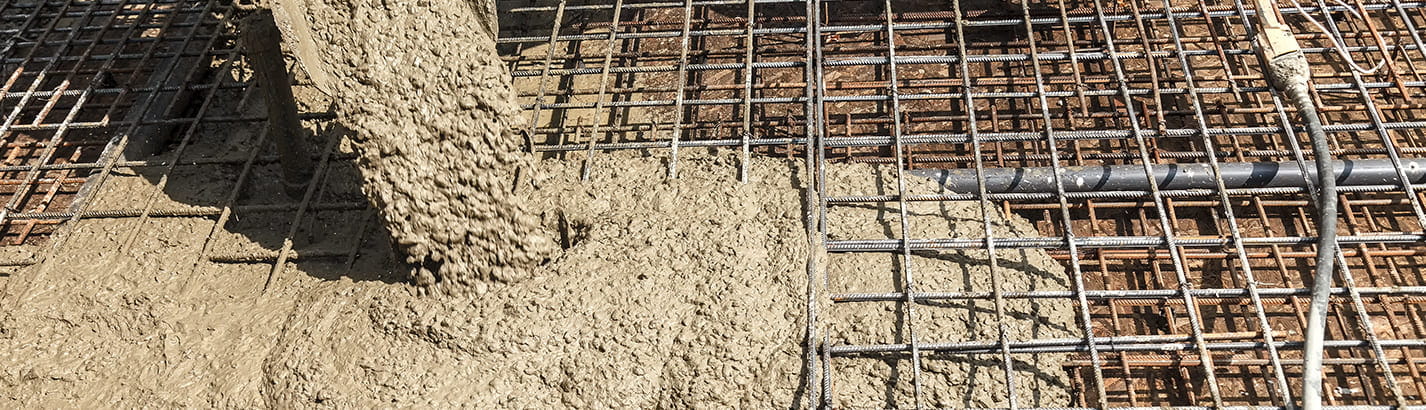
Concrete should be poured continuously to avoid cold joints. If interruptions occur, ensure proper roughening and bonding agents.
2. Vibration and Compaction
Mechanical vibrators remove air voids and improve density.
Best practices:
Do not over-vibrate
Insert the needle vertically
Work in grid patterns
Inadequate compaction leads to honeycombing and weak spots.
3. Screeding and Surface Levelling
Use:
Straight edges
Laser levels
Vibratory screeds
The goal is to create an even surface with the desired slope or drainage.
4. Finishing Operations
Finishing depends on the slab's purpose.
Hand trowel for basic interiors
Power trowel for industrial floors
Broom finish for exterior surfaces
Avoid excessive troweling, as it brings water to the surface.
5. Construction Joints
If unavoidable, locate joints:
At one-third of the span
Away from high-stress areas
Use bonding agents or shear keys to maintain structural continuity.
Post-Construction Best Practices
The curing and protection phase is equally crucial.
1. Curing
Proper curing ensures hydration and strength development.
Methods include:
Pond curing
Wet hessian coverings
Curing compounds
Sprinkling water
Cure slabs for at least 7 – 10 days days, and 14 to 28 days for higher grades.
2. Load Restrictions
Do not allow heavy loads, stacked materials, or scaffolding immediately after casting.
3. Crack Prevention
Common causes of cracks:
Rapid drying
Temperature variations
Excess water in mix
Poor compaction
Control joints and surface curing help minimize cracking.
4. Formwork Removal
Slab formwork removal times:
Props for slabs: 7 to 14 days
Props for beams supporting slabs: 14 to 21 days
Always follow the IS Code guidelines & structural engineer's recommendations.
Common Mistakes to Avoid
Mistakes during slab construction can weaken the structure significantly.
1. Using Poor Quality Formwork
Leads to uneven thickness and deflection.
2. Incorrect Reinforcement Placement
Bars should not touch formwork or soil; they must maintain cover.
3. Adding Water at the Last Minute
Reduces strength, durability, and slab life.
4. Inadequate Curing
Can decrease slab strength by up to 30 percent.
5. Ignoring Surface Preparation
Dust and debris prevent proper bonding.
Benefits of Following Best Practices
When slabs are constructed using correct techniques, the structure benefits in several ways:
Stronger load-bearing capacity
Reduced cracking and shrinkage
Improved lifespan and durability
Enhanced surface finish
Lower long-term maintenance costs
Better structural performance with minimal deflection
Final Thoughts
Slab construction is not merely about pouring concrete. It is a systematic process of formwork accuracy, correct reinforcement, controlled concrete mixing, careful pouring, efficient compaction, and prolonged curing. Small errors during slab construction can lead to major long-term issues, which is why best practices must be followed at every step.
Whether you’re building a residential floor or a large commercial deck, adhering to proper methods ensures the slab remains strong, safe, and durable for decades.

Cookies help us display personalized product recommendations and ensure you have a great experience.
Accept Cookies