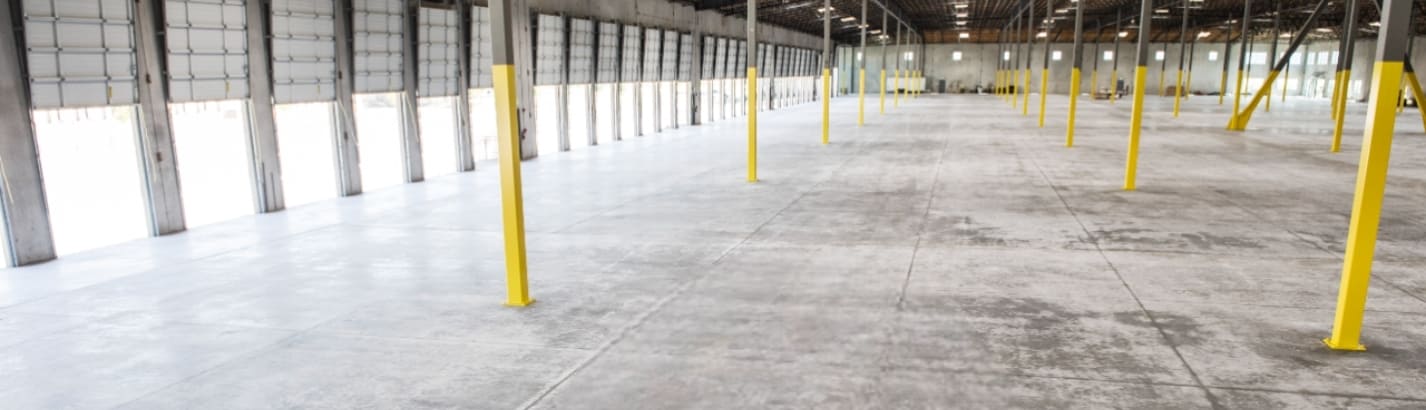
What Is Concrete Flooring?
- Jan 5
- 6 min read
Concrete has long been associated with foundations, columns, and heavy-duty structures, but in the last few decades, it has moved from a purely structural material to a mainstream flooring choice. Today, concrete flooring is used in homes, offices, retail spaces, industrial sites, warehouses, and even luxury interiors. It offers strength, durability, versatility, and a surprising aesthetic appeal when finished correctly.
If you're exploring flooring options or curious about how concrete floors compare with tiles, marble, or wood, this guide breaks everything down clearly—from what concrete flooring is to its types, installation process, advantages, drawbacks, and maintenance tips.
What Is Concrete Flooring?
Concrete flooring refers to a floor surface made using a mixture of cement, sand, aggregate, and water, which is poured, leveled, and finished to create a strong and durable walking surface. While traditional concrete floors were functional and plain, modern technology has transformed them into stylish surfaces that range from glossy polished floors to decorative stained finishes.
Concrete floors can be either:
Structural slabs (part of the building foundation), or
Overlay floors (thin topping layer over an existing floor)
They can be left natural or enhanced with polishing, colors, textures, or coatings.
Why Concrete Floors Are Becoming Popular
Concrete floors are no longer just industrial surfaces. Many modern buildings, homes included, prefer them because they offer:
1. Longevity and Durability
Concrete can handle heavy loads, high foot traffic, and years of wear without major deterioration.
2. Versatility in Design
From matte finishes to glossy polished surfaces, and from neutral grays to decorative dyes, concrete floors can match almost any design aesthetic.
3. Low Maintenance
Once sealed, concrete floors are easy to clean and maintain.
4. Cost Efficiency
Compared with marble or hardwood, concrete is more affordable, especially in large areas.
5. Sustainability
Concrete flooring can reduce the need for additional materials, especially when polishing an existing structural slab.
How Concrete Flooring Is Made
Understanding the installation process helps explain why concrete floors can be both functional and decorative. Here is a step-by-step look at how a concrete floor is created.
1. Sub-Base Preparation
The process begins with preparing the sub-base:
Leveling the ground
Adding a compacted gravel layer
Setting moisture barriers
A well-prepared base prevents cracks and strengthens the floor.
2. Formwork and Reinforcement
Formwork defines the floor’s boundaries. Steel reinforcement (rebars or mesh) is placed to increase load-bearing strength and reduce cracking.
3. Concrete Mixing
Concrete is prepared in the desired grade—commonly M20 or higher for flooring. The mixture includes:
Sand
Aggregates
Water
Sometimes, admixtures are added to improve strength or reduce shrinkage.
4. Pouring the Concrete
The concrete is poured, spread, and compacted using vibrators to remove air pockets. Proper compaction ensures the floor remains strong and uniform.
5. Leveling and Floating
Workers use tools like screeds and floats to level the surface. At this stage, the surface is refined, and cement paste rises to form a smoother top layer.
6. Trowelling
Trowelling can be manual or done using power trowels. This stage:
Compresses the surface
Makes it smoother
Prepares it for polishing or coating
7. Curing
Curing is essential for strength development. The floor is kept moist for 7–14 days to prevent shrinkage cracks.
8. Finishing or Polishing
Depending on the chosen finish, the surface may be:
Polished
Coated with epoxy
Stained
Hardened with chemicals
Types of Concrete Flooring
One of the biggest advantages of concrete floors is the wide variety of finish options. Here’s an in-depth look at the most popular concrete floor types.
1. Polished Concrete Flooring
What It Is
Polished concrete flooring is mechanically ground, refined, and polished using industrial polishers until it achieves a smooth, glossy, or satin-like appearance.
Why It’s Popular
High-end, modern look
Extremely durable
Reflective surface brightens interiors
Low maintenance
Where It’s Used
Homes
Retail stores
Offices
Showrooms
This is one of the most common premium flooring choices today.
2. Stained Concrete Flooring
What It Is
Concrete is treated with acidic or water-based stains that penetrate the surface, creating unique patterns, marbling, and color variations.
Advantages
Beautiful artistic finish
Endless color options
UV-resistant if properly sealed
Best For
Restaurants
Hotels
Living rooms
Lobby areas
3. Stamped Concrete Flooring
What It Is
Concrete is stamped with patterns to imitate other materials such as:
Stone
Slate
Wood
It is both decorative and durable.
Benefits
Cost-effective alternative to natural stone
Suitable for outdoor and indoor spaces
Customizable textures
Typical Applications
Patios
Driveways
Pool decks
4. Epoxy-Coated Concrete Flooring
What It Is
An epoxy resin coating is applied on top of the concrete surface, creating a strong, chemical-resistant, glossy floor.
Why Choose It
Highly durable
Resistant to chemicals and stains
Available in solid colors, flakes, and metallic finishes
Common Uses
Industrial floors
Garages
Hospitals
Laboratories
5. Micro-Topping (Concrete Overlay)
What It Is
A thin layer (3–5 mm) of cement-based topping is applied over an existing floor to give a fresh, modern appearance.
Benefits
Quick installation
Smooth, seamless finish
Ideal for renovation projects
Usage Areas
Living rooms
Offices
Retail environments
6. Exposed Concrete Flooring
What It Is
The concrete surface is left natural with minimal finishing. The raw, industrial look is often used in modern architecture.
Best Suited For
Lofts
Industrial-style interiors
Warehouses
Advantages of Concrete Flooring
Concrete flooring has several benefits that make it a practical and aesthetic choice.
1. Exceptional Durability
Concrete floors can last for decades without needing major repairs. Their resistance to abrasion, pressure, and moisture makes them suitable even for heavy-duty applications.
2. Cost Efficiency
Compared to materials like marble or hardwood, concrete is significantly more economical, especially if the structural slab is simply polished instead of being installed with a separate flooring layer.
3. Easy Maintenance
Most concrete floors require:
Occasional sweeping
Damp mopping
Re-sealing every few years
No termites, no warping, no major staining.
4. Versatility in Appearance
Concrete floors can be:
Glossy
Matte
Textured
Colored
Stamped
This flexibility allows matching any interior design style.
5. Environmentally Friendly
Using the existing slab reduces the need for extra flooring materials, which makes concrete an eco-friendly choice.
6. Resistant to Moisture and Fire
Properly sealed concrete floors handle moisture better than wood or laminate. They are also naturally fire-resistant.
Disadvantages of Concrete Flooring
While concrete floors have many benefits, they come with some limitations.
1. Hard Surface
The firmness may feel uncomfortable for long periods of standing. It's also unforgiving toward dropped objects.
2. Cold Underfoot
Concrete absorbs temperature, making floors cold in winter unless paired with rugs or radiant heating.
3. Susceptible to Cracks
Even well-installed concrete can develop hairline cracks due to settling or shrinkage.
4. Needs Professional Installation
Achieving a quality finish requires skill and professional tools.
Best Applications of Concrete Flooring
Concrete flooring works well for:
Residential Spaces
Living rooms
Kitchens
Courtyards
Commercial Buildings
Retail stores
Offices
Showrooms
Restaurants
Industrial Areas
Warehouses
Factories
Workshops
Outdoor Areas
Driveways
Patios
Walkways
Maintenance Tips for Concrete Floors
To keep concrete floors looking great for years:
Seal them every 2–3 years to prevent stains
Clean spills immediately
Use mats in high-traffic zones
Avoid harsh chemicals
Apply wax coatings for extra shine (optional)
With proper care, concrete floors can last for decades.
Frequently Asked Questions (FAQs)
1. Are concrete floors good for homes?
Yes. When polished or coated, they are stylish, durable, and easy to maintain.
2. Do concrete floors crack easily?
Hairline cracks may occur, but can be minimized with good installation and curing.
3. Are concrete floors slippery?
Polished floors can be slippery when wet, but anti-slip coatings are available.
4. Can concrete flooring be customized?
Absolutely. Colors, patterns, textures, and finishes give endless design options.
5. Is concrete flooring expensive?
It is cost-effective compared to marble, wood, or tiles, especially when using the structural slab.
Final Thoughts
Concrete flooring has evolved from a functional base layer into a versatile, stylish, and long-lasting flooring solution. Whether you want the industrial charm of a raw concrete floor, the elegance of polished concrete, or the artistic look of stained finishes, concrete flooring offers something for every space and budget. With proper installation and maintenance, a concrete floor can deliver performance and beauty for decades.

Cookies help us display personalized product recommendations and ensure you have a great experience.
Accept Cookies