Best Cement for Foundation and Footings: Building a Strong Base
- Mar 24
- 5 min read
When it comes to building a home, the foundation is the most important part. Think of it as the backbone of your house; it supports everything above it. From the walls to the roof, every element relies on a strong and stable base. Choosing the best cement for a foundation can make a huge difference in your home’s durability, strength, and safety.
Many homeowners focus on aesthetics, interior design, or floor plans, but without a proper foundation, even the most beautiful home can face issues like cracks, water seepage, or structural weakness. This guide will help you understand the different types of cement suitable for foundations and footings, how to choose the right one, and practical tips for using it effectively.
Why a Strong Foundation is Critical
The foundation does more than just hold your home. It:
Transfers Load: It distributes the weight of the structure evenly to the soil below.
Prevents Cracks: A strong foundation reduces the chances of walls and slabs cracking over time.
Increases Longevity: Proper foundations ensure that your home lasts decades without major structural issues.
Resists Water Damage: A well-constructed footing prevents water seepage from the ground.
A weak foundation can lead to serious problems such as uneven settling, tilted walls, and expensive repairs.
Types of Cement Suitable for Foundations
Not all cement is the same. For foundations, strength, durability, and long-term performance are crucial. The main types include:
1. Ordinary Portland Cement (OPC)
Description: OPC is the most commonly used cement for structural work.
Strength: Provides good compressive strength.
Grades: Available in 43 and 53-grade options.
Applications: Ideal for footings, columns, beams, and slabs.
Why it’s good for foundations: OPC sets relatively fast and provides a strong base. It is also widely available and cost-effective, making it the most common choice for residential construction.
2. Portland Pozzolana Cement (PPC)
Description: PPC is a blended cement containing pozzolanic materials like fly ash.
Strength: Slightly slower setting than OPC, but develops better long-term strength.
Durability: Highly resistant to chemical attacks and moisture.
Applications: Excellent for foundations in water-prone or humid areas.
Why it’s good for foundations: PPC reduces the risk of cracks and enhances durability. It’s a better choice if you live in areas with high moisture or chemical-laden soil.
3. Sulphate-Resistant Cement
Description: Special cement designed for areas with high sulphate content in the soil.
Applications: Foundations in industrial zones or waterlogged areas.
Why it’s good for foundations: Protects the structure from sulphate attack, which can weaken the concrete and reduce lifespan.
How to Choose the Best Cement for Your Foundation
Here are the key factors to consider:
Strength Requirements:
For foundations and footings, the cement must support the entire building load. 53-grade OPC or PPC is recommended for high-strength structural elements.
Soil Type:
A. Sandy soil requires cement with high compressive strength.
B. Clayey or waterlogged soil benefits from PPC or sulphate-resistant cement.
Water-Cement Ratio:
A. Too much water weakens the concrete.
B. A proper ratio (usually 0.45–0.5 by weight) ensures strong, durable concrete.
Quality of Aggregates:
A. Use clean, well-graded aggregates.
B. Avoid materials with silt, clay, or organic matter.
Brand Reliability:
A. Choose a certified, well-known brand to ensure quality.
B. Check manufacturing dates to avoid expired cement.
Practical Tips for Using Cement in Foundations
Mix Properly:
A. A standard mix for foundation concrete is 1:2:4 (cement:sand:aggregate).
B. Ensure uniform mixing to avoid weak spots.
Curing:
A. Cure the concrete for at least 14–21 days.
B. Keep the surface moist to allow proper hydration and strength development.
Skilled Workers:
A. Hire experienced construction workers for laying footings.
B. Poor workmanship can reduce concrete strength, even if you use high-quality cement.
Proper Layering:
A. Pour concrete in layers and compact using vibrators.
B. Avoid pouring all at once to reduce air pockets and ensure uniform density.
Common Mistakes to Avoid
Using expired or low-quality cement.
Incorrect concrete mix ratios.
Not curing the foundation properly.
Using cement meant for plastering or finishing instead of structural work.
Ignoring soil conditions and water table levels.
Recommended Cement Grades for Foundations
Small Residential Homes: 43-grade OPC or PPC is usually sufficient.
Multi-Storey Buildings: 53-grade OPC is preferred for higher compressive strength.
Water-Exposed Foundations: PPC or sulphate-resistant cement offers better durability.
Signs of a Well-Built Foundation
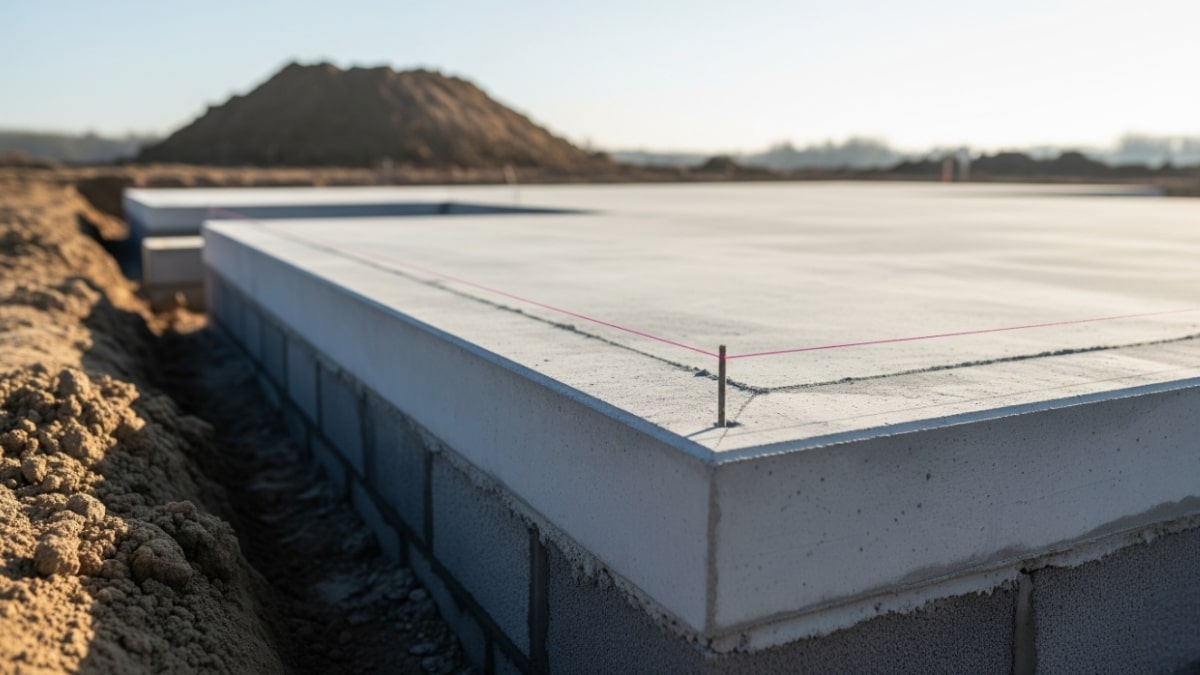
Even and level footings without bulges or depressions.
Properly aligned columns with no visible cracks.
Uniform concrete color indicates proper mixing and curing.
No water seepage after curing.
Conclusion
Choosing the best cement for foundation and footings is a crucial step in building a safe, durable home. While cost is important, quality and long-term performance should always take priority.
OPC is ideal for general construction.
PPC is preferred for humid or chemical-prone soil.
Sulphate-resistant cement is necessary for specific soil conditions.
Proper mixing, skilled labor, and careful curing complete the foundation process. A strong foundation ensures that your home stands the test of time, withstands environmental stresses, and remains safe for generations.
Remember: your home is only as strong as the base it stands on. Investing in the right cement today saves you from costly repairs tomorrow.
Related Articles

Cookies help us display personalized product recommendations and ensure you have a great experience.
Accept Cookies