The Innovative Uses of Cement in Interior Design and Decor
- Nov 3
- 3 min read
Cement has long been essential to construction. Traditionally used in external structures like walls, floors, and beams, it now finds growing relevance in modern interiors. Whether it’s the gloss of polished flooring or the texture behind a countertop, this material is becoming a creative medium in interior spaces. It fits well in industrial and minimalist styles, and its adaptability allows it to blend into eclectic and contemporary interiors as well.
Uses of Cement in Interior Design
Today’s interior spaces are redefining material expression, and cement is playing a central role in that evolution. Its use now spans structural to aesthetic functions across floors, walls, counters, furniture, and decor. Lets explore some use cases of cement in interior design:
1. Cement Floors: Are they still relevant in modern construction?
Polished cement floors create a smooth, reflective finish ideal for modern homes and offices.
Stained or patterned options use pigments to add depth and variety.
Low maintenance, high durability, and seamless finishes make them a practical long-term choice.
2. Accent Walls: What are they and what do they do?
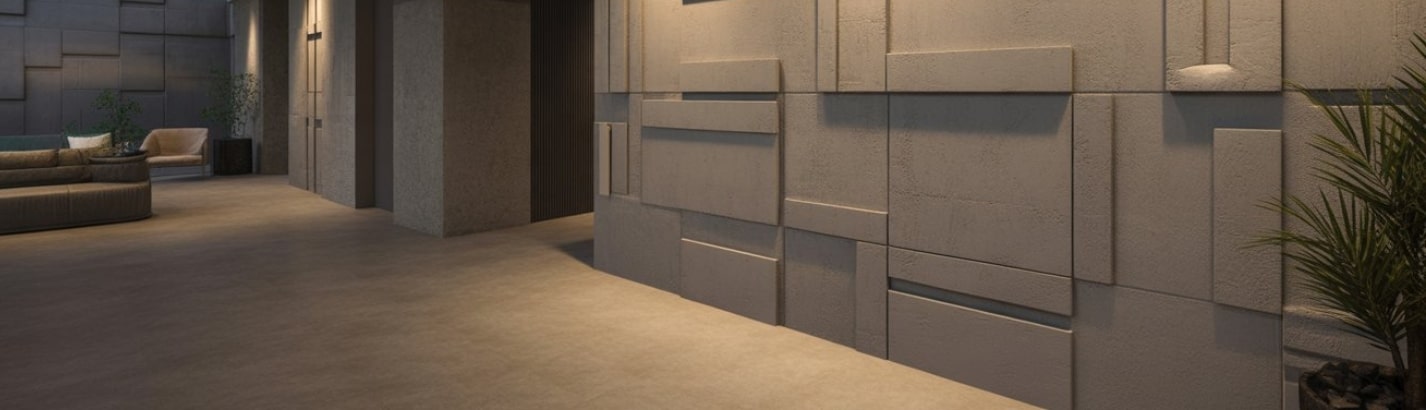
Cement-based walls add visual balance and tactile depth to interiors.
Available as hand-applied finishes or ready-to-install precast panels.
Concrete wall panels offer finishes that include smooth, raked, and exposed-aggregate textures.
3. Countertops and Vanities: Are they good for kitchens and bathrooms?
Concrete countertops are heat and water-resistant, suitable for kitchens and bathrooms.
Can be customized for color, texture, and edge profile.
Offer a seamless, monolithic appearance that fits both minimal and modern themes.
4. Furniture and Fixtures: What are their benefits?
Cement tables, benches, and stools bring solidity and simplicity.
Works well in both indoor and semi-outdoor areas.
Used in lighting designs for pendant lamps and bases, adding an earthy tone to interiors.
5. Decorative Elements: What are their advantages?
Advantages of cement planters and other compact pieces like vases include a clean, geometric, and aesthetic appeal.
Cement sculptures and wall art highlight craftsmanship with durability.
These small additions help tie the industrial aesthetic across the space.
Why is cement a good choice for interior works?
Besides being a modern design trend, using cement in interiors has become a practical choice that has great long-term value. Here’s how:
Durability and Longevity
Cement surfaces withstand wear, pressure, and moisture and are thus ideal for high-use areas. With proper sealing, they retain their finish for years with minimal maintenance.
Versatility and Adaptability
Cement adapts easily to any look such as polished, matte, or textured. It pairs seamlessly with wood, glass, or metal to create balanced interiors.
Aesthetic Compatibility
Its neutral tone allows other design features to stand out while maintaining visual harmony. Cement lends clarity and depth without overwhelming the space.
In modern construction, cement has made its way across the design spectrum. Its shift into interior design has opened avenues for both utility and artistry. As new fabrication techniques emerge, the applications of cement will only broaden.

Cookies help us display personalized product recommendations and ensure you have a great experience.
Accept Cookies