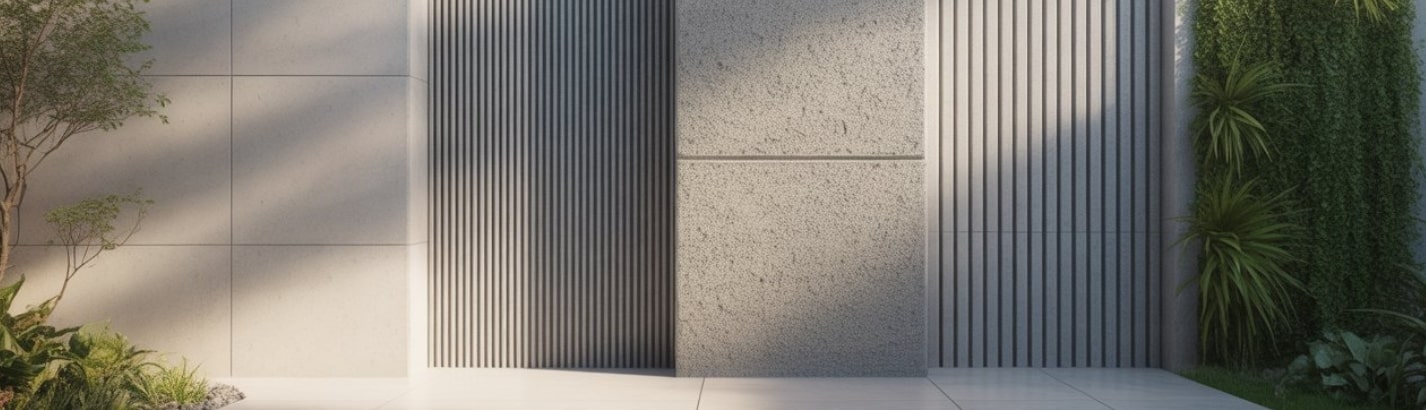
Concrete Wall Design: A Modern Approach to Interiors and Exteriors
- Nov 6
- 4 min read
Concrete has long been a staple in construction for its structural strength and versatility. From foundations to frameworks, it plays a vital role in both residential and commercial construction. In recent years, its use has moved beyond utility in the sense that concrete wall design is now a prominent choice for house interiors and commercial spaces, appreciated for its modern aesthetic, durability, and adaptability.
Why Choose Concrete for Walls?
While walls can be constructed using materials like brick, stone, wood, or glass, concrete walls offer practical advantages that make them a preferred option in contemporary spaces:
High durability against environmental wear and tear
Low maintenance over time, making it a cost-effective solution
Strong sound insulation and thermal regulation properties
Ability to complement both industrial and modern design themes
The Use Cases of Concrete Walls
With its versatile nature, concrete adapts well to various spaces in both homes and commercial environments such as:
Living Rooms and Common Areas
Flat or textured precast concrete walls serve as strong visual backdrops. They create clean canvases for displaying art or highlighting furniture pieces.
Kitchens and Bathrooms
Polished concrete is ideal for wet areas due to its water resistance. It introduces a sleek, minimalist tone without compromising function.
Outdoor Spaces and Retaining Walls
Split-faced or textured concrete adds visual appeal while providing structural stability. These walls support landscape architecture and act as strong retaining barriers in exteriors.
What are the different types of concrete walls?
Concrete wall design is not a one-size-fits-all approach. Here are ten types of walls made with concrete and used in modern house interiors as well as exterior commercial spaces:
Flat Concrete Wall
Offers a minimal, modern look. It can be found in multiple sizes and finishes, exposed, pitted, or polished with different color options.
Billow Concrete Wall
Recognized for its soft, sculpted texture. These precast panels create a flowing visual rhythm, available in various finishes and customizable colors.
Board-formed Concrete Walls
Mimic wooden textures by imprinting horizontal patterns into concrete. Suitable for rustic-modern styles in both interiors and exteriors.
Crumpled Paper Concrete Panels
Features irregular, creased surfaces resembling wrinkled paper. These add artistic flair and break monotony in contemporary layouts.
Raw Concrete Wall Design With Cement
Leaves the natural form of concrete exposed. Displays seams, tie holes, and texture without any surface finishing, ideal for bold architectural statements.
Split Faced Concrete Wall
Crafted by splitting molded blocks to reveal rough textures. These are common in exterior applications or as accent surfaces in rustic interiors.
Geometric Concrete Wall Panels
Use repeating patterns like hexagons or triangles. These panels create visual movement through light and shadow interplay.
Fluted Concrete Wall
Vertical grooves offer a clean, linear aesthetic. These are used to guide visual flow and introduce depth into flat surfaces.
Polished Concrete Wall
Achieved through mechanical grinding and sealing. These surfaces are stain-resistant, sleek, and common in high-end commercial spaces and homes.
Key Considerations Before Using Concrete Walls
Before choosing a concrete wall style, consider the following:
Material Balance
Concrete pairs well with wood or metal to soften or contrast its bold texture.
Lighting
Natural or directional lighting enhances concrete’s surface variations, especially in textured or fluted designs.
Maintenance
While generally low-maintenance, periodic sealing helps preserve surface integrity, especially in high-use areas like kitchens and bathrooms.
Concrete Ratio
Though often overlooked in design, the concrete ratio used in casting or onsite pours can impact wall strength, texture, and surface finish. Precast variants typically ensure a standardized mix for consistency and durability.
As architectural design moves toward sustainable and long-lasting materials, concrete continues to find relevance. Its application in walls, whether for visual texture, structural integrity, or functional use, proves it is more than just a building material. So, whether you're designing a home or setting up a professional space, concrete wall design offers versatility, resilience, and style, all in one form.

Cookies help us display personalized product recommendations and ensure you have a great experience.
Accept Cookies