Pervious Concrete - Everything You Need To Know
- Sep 24
- 6 min read
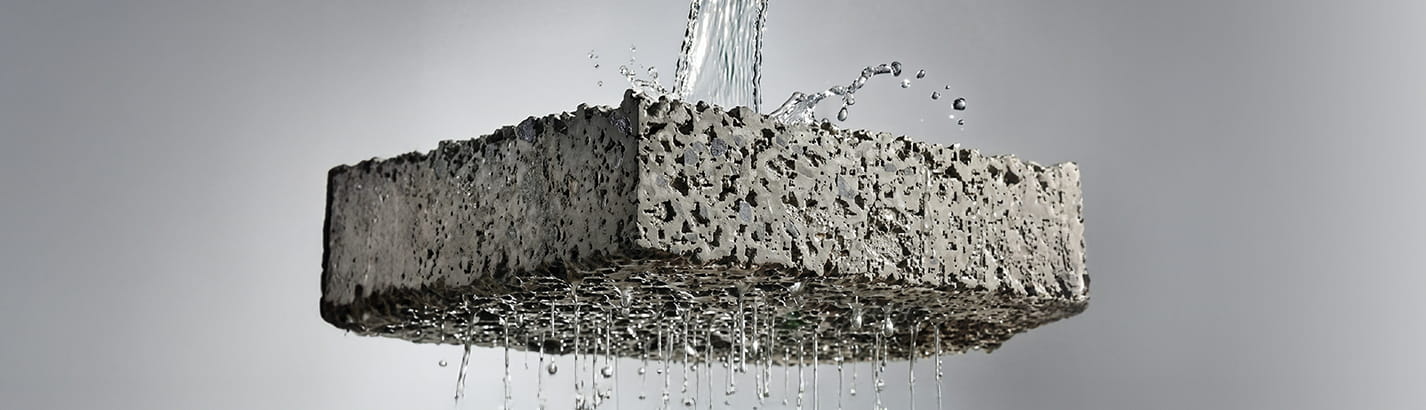
Imagine there are no puddles on the street while you are walking after a heavy downpour of rain. The surface looks dry, and water has already slipped through the pavement into the soil below. That is the benefit of Pervious concrete. Also called Porous concrete, it is designed with interconnected voids that let water pass through instead of running off.
For cities that face waterlogging and pressure on drains, Pervious concrete offers a practical way to handle rainfall where it lands. It works well in parking bays, sidewalks, and residential driveways. It helps control flooding risk, reduces erosion, and supports cleaner groundwater. Used correctly, it supports resilient, low-runoff urban infrastructure.
What is pervious concrete?
Pervious concrete is a concrete mix that allows water to move through its surface and reach the ground. Unlike conventional concrete, it leaves out most or all fine aggregates. The mix typically includes cement, coarse aggregates, and water. In some cases, admixtures and supplementary cementitious materials such as fly ash or silica fume are added to support workability and durability without closing the pores.
The material relies on a network of voids created by binding coarse aggregates with a thin cement paste. Typical porosity falls in the 15% to 30% range. The water-cement ratio usually sits between 0.30 and 0.40 to coat aggregate surfaces without flooding the mix (The water-cement ratio for pervious concrete in Indian standard is recommended to be in the range of 0.4 to 0.5, as specified by IS:12727) . The result is a pavement that drains quickly, manages stormwater at source, and reduces reliance on conventional surface drainage.
How does Pervious concrete work?
Pervious concrete helps the water flow through its interconnected voids and into the ground beneath. The structure is achieved by using only coarse aggregates with no, or very little, sand. This keeps pathways open for water while still providing enough strength for light-traffic applications. Compressive strength is generally suitable for sidewalks, patios, low-volume roads, and parking areas. The open structure can also release stored heat more slowly and allow some sound to dissipate, which may contribute to cooler and quieter hardscapes.
Properties of Pervious Concrete: Fresh vs Hardened
The table below summarises the main differences between fresh and hardened Pervious concrete.
Aspect | Fresh Concrete | Hardened Concrete |
|---|---|---|
Overall behavior | Lower workability due to the absence of fine aggregates. | Porous matrix with interconnected voids that enable rapid infiltration |
Mix control | water-cement ratio typically 0.30–0.40 to coat coarse aggregates without closing pores | Porosity within the range of 15%–30% of the material’s volume drives permeability and stormwater performance |
Air/voids | High effective air due to open structure. | High porosity supports infiltration. |
Strength | Fresh stability depends on the correct paste content and compaction method | Compressive strength is commonly within the range of 2000–4000 psi. |
Durability risks | Over-vibration or excess water may collapse voids | Freeze–thaw exposure can be a concern; proper sealing and maintenance are recommended |
Thermal and acoustic | — | Open structure can aid heat release and allow some sound to escape |
Quality control | Sensitive to timing, placement method, and curing protection | Long-term performance depends on preventing clogging and maintaining voids |
Applications of Pervious Concrete
Pervious concrete has clear value where water management is a priority:
Pavements and walkways: Sidewalks, pedestrian paths, and parking lots benefit from fast drainage at the surface, reducing reliance on inlets and pipes.
Driveways and low-volume roads: Good fit for residential and certain commercial driveways and access roads with light to moderate loading.
Landscaping and green areas: Garden paths, plazas, and park edges use Pervious concrete to improve infiltration and reduce erosion.
Flood control and water management zones: Integrated with swales and detention features, Pervious concrete reduces peak runoff and supports groundwater recharge within urban infrastructure.
Advantages and Disadvantages of Pervious Concrete
While there are many benefits of using Pervious concrete, it also comes with some disadvantages. So let us dig deep into both aspects:
Advantages:
Stormwater management: Limits surface runoff by allowing rapid infiltration at the surface.
Groundwater recharge: Supports local aquifers by directing water into the soil.
Reduced erosion: Lowers sheet flow and scouring in adjacent landscaped areas.
Water quality benefits: Provides first-flush filtration that can reduce oils and heavy metals before they reach waterways.
Heat island relief: The open matrix and retained moisture can moderate surface temperatures.
Lifecycle value: With routine upkeep, it can reduce reliance on large stormwater systems and frequent surface repairs.
Disadvantages:
Clogging risk: Sediments and organic matter can block voids without scheduled cleaning.
Climate sensitivity: Freeze–thaw exposure can damage poorly protected pavements in cold regions.
Lower structural capacity: Not suitable for heavy-traffic or high-load facilities.
Installation sensitivity: Requires proper mix design, trained crews, controlled compaction, and careful placement to preserve voids.
Maintenance budget: Needs periodic vacuum sweeping and inspection to keep permeability.
The importance of the mix design of Pervious Concrete
To achieve the desired balance between strength and permeability, the mix design and production process of Pervious concrete are crucial. Here are a few things to keep in mind:
Mix Design:
Cement content: Cement often takes up about 15% to 25% of the total mix. Enough paste is needed to bind coarse aggregates while keeping voids open.
Aggregate size: Single-sized or narrowly graded coarse aggregates in the 3/8 inch to 3/4 inch range help form continuous pathways for water.
Sand content: Minimal to none. Omitting fine aggregates maintains connected voids and reduces clogging risk inside the slab.
Water-cement ratio: Keep the water-cement ratio low, typically 0.30 to 0.40. The aim is full coating of coarse aggregates without excess water that could collapse voids.
Void content target: Design for porosity typically in the 15% to 30% range.
Admixtures and Supplementary Cementitious Materials: Plasticisers can improve handling without adding water. Fly ash or silica fume can support paste quality and long-term performance when dosed appropriately.
The process of production
Mixing: Blend until aggregates are evenly coated. Avoid over-mixing that could break down paste films or alter the void structure.
Placement: Place promptly. Avoid segregation and do not add water on site. Strike off carefully to maintain slab thickness and surface level.
Compaction: Use roller screeds or light compaction to fit in the aggregates without closing the pore network. Over-vibration can destroy connectivity.
Curing: Cover with plastic sheeting or apply an approved curing compound and keep sealed for about seven days.
Pervious concrete provides a way to manage rain-induced stormwater in urban areas and reduce pressure on drains, thereby avoiding waterlogging. By using coarse aggregates bound with a thin paste and maintaining a low water-cement ratio, it creates a connected void system that drains quickly and supports groundwater recharge. The material is well-suited to sidewalks, parking areas, and light-traffic streets in modern urban infrastructure. With the right mix design, careful placement, and routine maintenance, pervious concrete can help cities manage stormwater reliably while improving the day-to-day usability of paved spaces.
FAQs (Frequently Asked Questions)
What is pervious concrete for sustainable development?
Pervious concrete (also called Porous concrete) is an eco-friendly way to control excess rainwater in cities. It lets water infiltrate the soil, recharging groundwater and supporting sustainable use within urban infrastructure.
What is the key advantage of using pervious concrete for pavements?
The key advantage of using pervious concrete for pavements is Integrated stormwater control where the water percolates through the surface thereby reducing runoff and the need for separate drainage.

Cookies help us display personalized product recommendations and ensure you have a great experience.
Accept Cookies