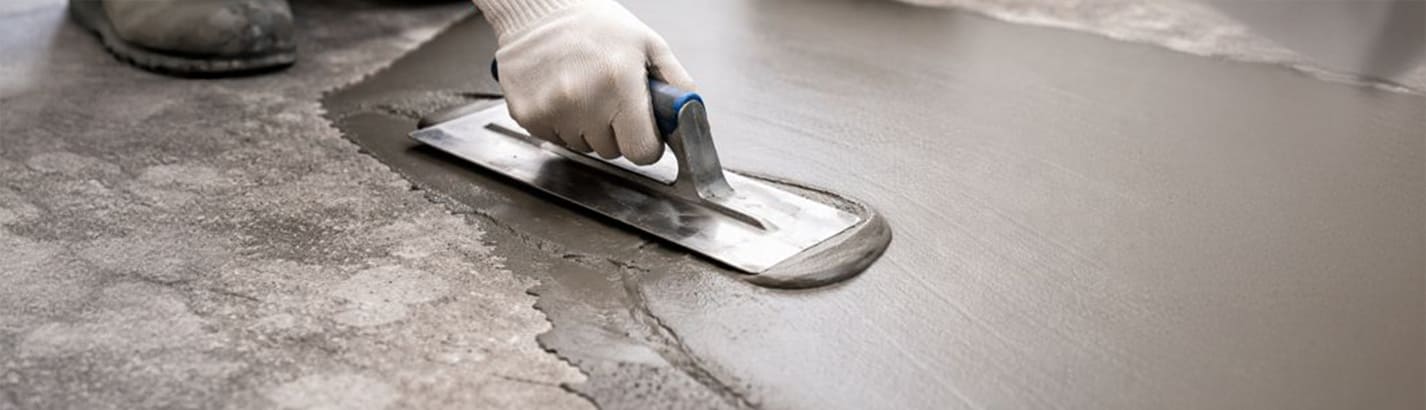
Micro Concrete: A Material for Smarter Construction Needs
- Oct 30
- 4 min read
Concrete has always been the backbone element of construction. While traditional concrete remains indispensable, newer formulations are addressing more specific needs. Out of these, micro concrete stands out as a versatile material made for surfacing, repairs, and structural refinements that standard concrete cannot easily handle.
What is Micro Concrete?
Micro concrete is a high-performance composite material made of cement, fine aggregates, polymers, and chemical additives. It is applied in very thin layers, usually between 2 mm and 4 mm, and used mainly for surface finishes rather than structural frameworks.
Its formulation allows it to bond well with different substrates that include concrete, tiles, wood, and metal, without requiring extensive surface modifications. This makes it an ideal choice for renovation or repair projects. The use of polymers and specialized additives not only improves adhesion but also increases resistance to cracking and moisture penetration. The final finish is seamless and smooth thus ideal for modern architectural surfaces that need both performance and aesthetics.
Micro Concrete vs Normal Concrete
Although micro concrete and standard concrete share a few base materials, their purpose, application methods, and physical characteristics are very different. Here's a table that easily explains the same:
Feature | Micro Concrete | Normal Concrete |
|---|---|---|
Application | Ready-mix powder mixed with water; poured without compaction | Mixed manually or by machine; needs vibration and compaction |
Aggregates | Only fine aggregates | Coarse and fine aggregates |
Thickness | 2 – 50 mm | Minimum 75 mm |
Reinforcement | No reinforcement | Reinforcement in RCC columns and beams |
Uses | Surface finishes, crack repairs, strengthening existing elements | Foundations, reinforced concrete columns, slabs, staircases |
Curing | 2 – 7 days | 28 days minimum |
While normal concrete is integral to structural strength, micro concrete is better suited for tasks requiring precision, aesthetics, or minimal intervention.
Applications of Micro Concrete
Micro concrete can be used in multiple areas due to its unique properties. It offers solutions where traditional concrete might not be prove to be efficient enough.
Micro Concrete Flooring
It creates a seamless, joint-free flooring surface ideal for both indoor and outdoor settings. Its resistance to wear and anti-slip texture make it a preferred choice for kitchens, bathrooms, living spaces, and commercial spaces like retail shops and offices.
Decorative Finishes
In renovation projects, it is applied as a cement mix topping to refresh older floors, walls, countertops, and even sinks. Available in different finishes, matte, satin, or glossy, it also allows for customized textures and patterns.
Repair Work
It is used to fix defects like cracks, spalling, honeycombs, and corrosion in both plain and reinforced concrete columns or beams. Because it doesn't need compaction, it can be poured into cavities or around reinforcements to restore strength quickly and cost-effectively.
Preventive Strengthening
Micro concrete is used in "jacketing" of RCC columns and beams to prevent future damage. A thin coat acts as a protective barrier against environmental damage and corrosion while simultaneously strengthening the existing component.
How is Micro Concrete Applied?
The application process is straightforward but must be done carefully to ensure performance and longevity.
Surface Preparation
Before applying micro concrete, the surface must be dry and clean—free of oil, dust, and debris. For repairs, any loose or corroded concrete is removed. In many cases, a bonding agent is applied before pouring.
Mixing
The material is typically sold in pre-packed powder form. The ideal water cement ratio is 1:8. This ensures minimal shrinkage and proper consistency. For small jobs, manual mixing suffices. For larger volumes, mechanical mixers are recommended.
Pouring and Finishing
Once mixed, it must be poured quickly before the setting begins. The material flows smoothly and does not require vibration. After application, simple tools can be used to smoothen the surface.
Curing
Although full-scale curing is not needed, lightly sprinkling water over 2 to 7 days ensures optimal bonding and strength gain.
Benefits of Using Micro Concrete
Several practical advantages make micro concrete a valuable material in modern construction:
No Compaction Needed: Saves labor, time, and eliminates the need for vibrators and is ideal for hard-to-reach or delicate areas.
Moisture Resistance: Its low permeability makes it suitable for high-humidity zones like kitchens and bathrooms.
Versatile Bonding: Bonds well with concrete, wood, metal, and tile surfaces, expanding its applicability.
Rapid Strength Gain: Gains functional strength within 24 hours, allowing fast restoration or surface use.
No Shrinkage: Its stable volume prevents cracks and surface irregularities post-application.
Corrosion Protection: Acts as a barrier to water, safeguarding steel reinforcements in existing RCC columns or beams.
In today’s construction landscape, material choice impacts not only structural safety but also visual appeal and long-term maintenance. Micro concrete offers a reliable, efficient, and versatile solution for surface applications and quick structural repairs. Whether it’s fixing cracks, protecting reinforcements, or updating old surfaces, this composite material delivers high-quality results with minimal intervention.

Cookies help us display personalized product recommendations and ensure you have a great experience.
Accept Cookies