Vastu Tips For An East Facing House Plan
- Jan 8
- 4 min read
Key Features of an East Facing House Vastu Plan
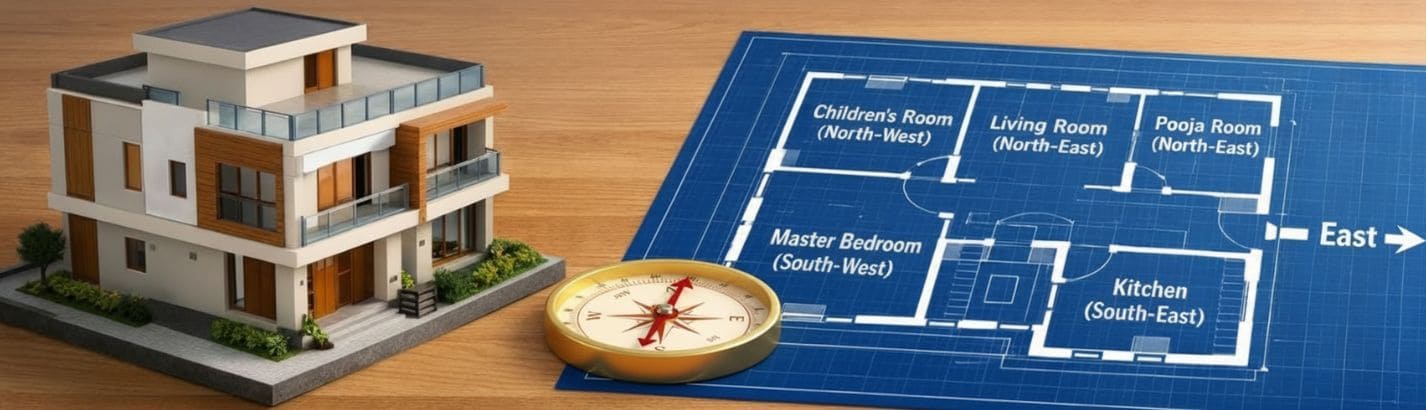
Designing an east-facing home involves careful layout planning, where each room and element aligns with suggested vastu directions. Below are the essential components:
Entrance and Main Door
The main entrance is ideally placed in the fifth part (pada) on the east side, which is believed to support happiness and prosperity.
Living Room
Locating the living room in the northeast area may improve family bonding and communication.
Kitchen
The southeast zone is traditionally assigned to the kitchen, aligning with the fire element.
Master Bedroom
Positioning the master bedroom in the southwest area is recommended to promote stability.
Children’s Room
A children’s room in the northwest is considered suitable for focus and growth.
Pooja or Meditation Room
The northeast zone is seen as the most suitable for spiritual activities and reflection.
Vastu Tips for Different Plot Sizes
Vastu principles can be adjusted based on the size and proportions of your plot. Here’s how they apply to commonly used layouts in an east facing house plan:
30x40 East-Facing House Vastu Plan
This compact yet efficient layout allows for a balanced distribution of spaces. The key is to align entrance and key rooms like the kitchen and master bedroom with ideal vastu directions.
30x60 East-Facing House Vastu Plan
A longer layout like this allows space for a front lawn. Proper internal zoning can help in channelling natural light and airflow from the east side.
40x60 East-Facing House Vastu Plan
With larger plots, there is more flexibility to include multiple bedrooms, family areas, and open courtyards. Following Vastu placements in such a plan helps in managing both functionality and directional alignment.
Why East is Favoured in Vastu House Plan Design
East-facing homes are often viewed positively due to their association with morning sunlight and openness. Some commonly cited reasons include:
Symbolic Start to the Day
The east is linked to sunrise, which signifies growth, learning, and fresh starts.
Sunlight and Good Health
Morning sun is considered beneficial and may contribute to physical well-being through exposure to natural light.
Welcoming Prosperity and Positive Energy
A home that opens to the east can appear brighter and more inviting, aligning with the idea of welcoming positive energy and prosperity.
Fostering Relationships
It is believed that homes facing east encourage stronger social bonds within families and the community.
Supportive for Growing Families
The symbolism of growth and vitality associated with the east may appeal to young families looking for a supportive environment.
Adapting Vastu in Challenging Layouts
In many urban contexts, sticking strictly to Vastu placements isn’t always possible. However, certain design choices can still help maintain alignment:
Choose Vastu-Compliant Colours
Use lighter tones like white, soft green, or light blue to promote calmness.
Mirror Placement
Placing mirrors on the north or east walls can amplify light and create an open feel.
Incorporate Natural Elements
Add indoor plants or small water features in the northeast corner to promote a peaceful ambience.
These are simple interventions that help incorporate the essence of Vastu Shastra even in constrained spaces.
Essential Tips for an East Facing House Vastu Plan
For those looking to follow Vastu in an east-facing layout, a few structural guidelines can be helpful:
The main entrance should be the largest door in the house.
Avoid placing kitchens in the northeast zone.
Keep windows on the east side to allow maximum light during morning hours.
Refrain from building staircases or toilets in the northeast.
Keep the northeast corner open and uncluttered.
Also avoid toilets in the southwest, which may be seen as inauspicious.
These recommendations are often followed to preserve balance and avoid disrupting the flow of energy.
Designing a home requires intricate planning, and for those who consider directional alignment important, Vastu offers structured guidelines. An east facing house plan, if designed with thoughtful layout and direction-based planning, can create a space that feels bright, positive, and well-organised. While scientific validation of Vastu may be limited, its principles continue to influence how many people approach residential design by blending tradition with modern planning. It is highly recommended to consult an expert so as to achieve the perfect vastu plan for your east facing house.

Cookies help us display personalized product recommendations and ensure you have a great experience.
Accept Cookies