Finding the Best Building Materials Store: A Complete Guide
- Oct 30
- 5 min read
Building a house, constructing a commercial building, or even renovating an existing property requires one crucial step: choosing the right building materials store. The quality, availability, and reliability of construction materials can significantly impact the success of your project. From cement and steel to sand, bricks, and finishing materials, sourcing everything from a trustworthy supplier ensures timely construction and long-term durability.
If you’ve ever faced delays because a supplier ran out of stock, delivered substandard materials, or charged hidden costs, you know how important it is to pick the right supplier. This guide walks you through everything you need to consider when finding the best building materials store, with a focus on India’s construction landscape.
Why Choosing the Right Building Materials Supplier Matters
Construction projects are complex, and delays or subpar materials can have ripple effects:
Structural Integrity: Using poor-quality cement, sand, or steel can reduce strength and durability.
Time Management: Reliable suppliers ensure materials arrive on schedule, preventing project delays.
Cost Efficiency: Avoids wastage, overuse, or last-minute purchases at higher prices.
Compliance: Reputable suppliers provide certified materials that meet IS (Indian Standards) or other regulatory requirements.
Example: A builder using substandard cement for a foundation may face structural cracks within a few years, leading to expensive repairs.
Key Considerations When Choosing a Building Materials Store
1. Product Range and Availability
A good supplier should offer a wide range of construction materials:
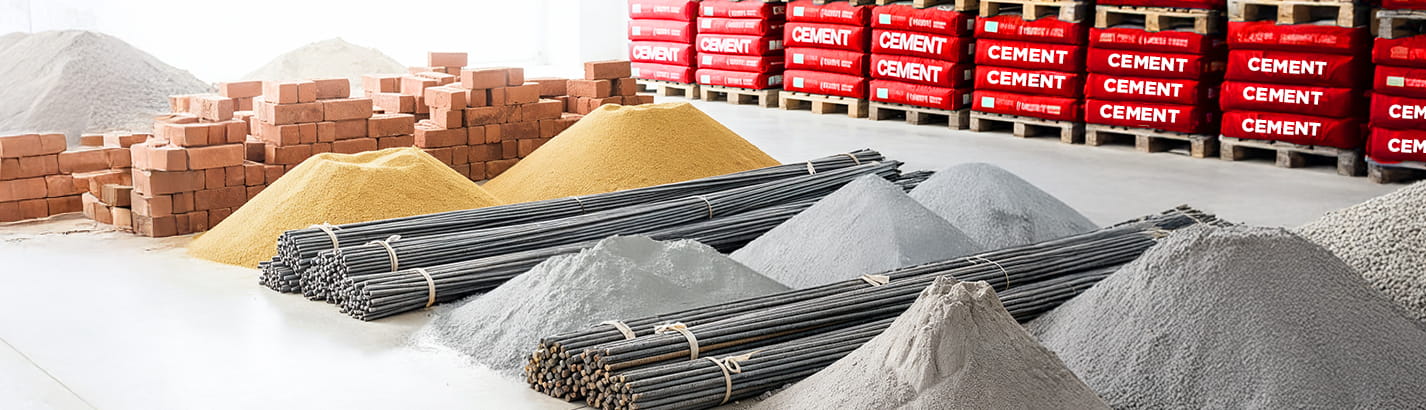
A. Cement, steel, sand, bricks, aggregates, and tiles.
B. Finishing materials such as paints, plumbing, and electrical items.
Check whether they stock enough inventory for bulk orders.
Tip: Ask if the store can source materials for large-scale projects or if they have partnerships with multiple manufacturers.
2. Quality and Certification
Ensure materials are certified and comply with IS standards.
Inspect sample products for consistency and durability.
Reliable suppliers often provide manufacturer warranties or batch test reports.
Example: Bangur cement, known for quality and reliability, comes with batch-specific certification. Using a dealer like this ensures consistency across your project.
3. Price Transparency
Compare rates across multiple stores to avoid overpaying.
Watch for hidden costs like delivery fees or bulk order charges.
Some suppliers offer discounts for bulk purchases, which can be significant for large projects.
Tip: Always request a written quote before placing an order.
4. Delivery and Logistics
Check if the supplier provides timely delivery to your construction site.
Assess their capacity to deliver in large quantities if your project is ongoing.
Some suppliers provide on-site assistance for unloading and handling heavy materials.
Example: Using a supplier with good logistics prevents delays in critical phases like foundation laying or slab pouring.
5. Reputation and Customer Service
Research customer reviews, testimonials, and word-of-mouth recommendations.
A reputable supplier responds promptly to queries, handles complaints efficiently, and provides technical guidance if needed.
Tip: A store with excellent customer service is as valuable as the quality of materials they provide.
How to Find the Best Building Materials Store Near You
Local Recommendations: Ask builders, contractors, and architects in your area.
Online Dealer Locators: Many major brands provide online dealer locators to help find certified stores nearby.
A. For instance, Bangur Cement offers a dealer locator to quickly find authorized dealers near your site, ensuring you receive genuine products.
Visit the Store: Inspect their stock, check delivery vehicles, and talk to staff about sourcing options.
Compare Multiple Suppliers: Don’t settle for the first store. Compare price, quality, delivery speed, and service.
Advantages of Using a Trusted Building Materials Supplier
Consistency: You get uniform quality materials across the project.
Time-Saving: Reliable suppliers streamline procurement and reduce project delays.
Cost Management: Bulk deals and verified pricing prevent budget overruns.
Technical Support: Some suppliers provide advice on mix ratios, material usage, and storage.
Example: A contractor sourcing cement and aggregates from an authorized Bangur dealer can avoid common issues like cement lumps, incorrect mixes, or delayed deliveries.
Practical Tips for Sourcing Materials Efficiently
Plan Ahead: Create a material list before starting construction to avoid last-minute purchases.
Verify Stock: Confirm availability, especially for bulk materials like sand and cement.
Negotiate Bulk Deals: Most suppliers offer discounts on large orders.
Store Properly: Protect cement and other materials from moisture and sun to maintain quality.
Keep Documentation: Retain bills, certificates, and delivery notes for accountability.
Final Thoughts
Finding the right building materials store is as critical as the construction process itself. Reliable suppliers ensure quality, timely delivery, and cost-effectiveness, all of which are crucial for a successful project.
For those using Bangur cement, their dealer locator is an excellent tool to find authorized stores nearby, guaranteeing you access to genuine materials and expert guidance for your construction needs. By choosing the right supplier, you not only protect your investment but also ensure the safety, durability, and longevity of your building.
Start your project with the right materials and the right supplier—it’s the first step toward building a strong, reliable, and future-ready home or commercial structure.

Cookies help us display personalized product recommendations and ensure you have a great experience.
Accept Cookies