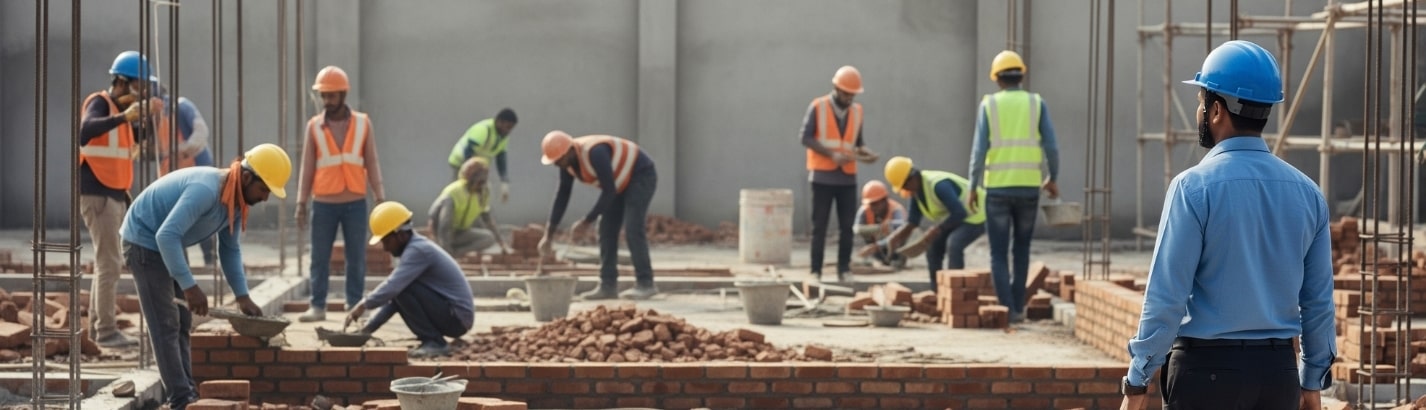
Everything You Need to Know Before Hiring a Construction Contractor
- Sep 18
- 4 min read
Before the start of any type of construction, hiring the right contractor is the first step towards achieving a successful project. A good contractor makes sure that everything happens in the right sequence, at the right cost, with the right outcome. Therefore, choosing the right one saves you time, money, and stress.
What Does a Contractor Do?
A contractor, in general, oversees the overall execution of your building project. They plan the schedule, procure materials, manage labor, and ensure structural integrity. Most importantly, they coordinate with engineers, architects, and workers so as to keep everything on track.
The Role of Subcontractors
Sometimes, in order to handle some specialist work like plumbing or painting, contractors have to hire subcontractors, who are basically professionals or small teams with expertise in a particular type of task. Subcontractors usually report to the main contractor, who remains responsible for overall progress and quality.
Types of Contractors
As per the requirement of your building project, you will need to hire different types of contractors. Here is a breakdown of who does what:
1. General Contractors
They manage the entire site and are responsible for bringing in suppliers, subcontractors, and materials. Their job is to ensure the project progresses on time, stays within budget, and meets quality standards.
2. Design-Build Contractors
They handle both design and execution. Instead of hiring an architect and a builder separately, this contractor handles both roles. They draw up your plans, build as per those plans, and manage the team from start to finish.
3. Residential Contractors
These types of contractors specialize in house construction and home renovations. They work with homeowners, engineers, and local teams to complete residential projects from new builds to full-scale renovations.
4. Commercial Contractors
They work on larger projects, such as office buildings, malls, and hotels. These jobs often require more approvals, involve technical staff, and necessitate strict adherence to legal compliance.
5. Civil Contractors
They handle infrastructure projects like bridges, roads, dams, and pipelines. Their role is to follow structural plans and execute work to engineering specifications.
6. Electrical Contractors
They may work on everything from a small rewiring job to full-scale multi-floor installations.
7. Plumbing Contractors
They are specifically responsible for managing the water lines, drainage, tanks, and sewer systems. In addition to installation, they also handle maintenance, fixing leaks, clogs, and pressure issues.
8. HVAC Contractors
They set up heating, ventilation, and air conditioning systems and also install commercial cold storage, ducts, and control systems in larger buildings.
9. Painting Contractors
They apply interior and exterior paints. They ensure clean surfaces, smooth finishes, and use color as per client requirements.
10. Flooring Contractors
They install flooring of all types. Some projects may need specialist subcontractors depending on the material.
11. Plastering Contractors
At few of the sites, you may need specialist subcontractor for plastering only, as their team is skilled in doing plaster work.
How to Choose the Right Contractor?
There are a few things that you must check before you choose a contractor. Here are some of the major things you need to keep in mind:
Start local
Search “contractor near me” online or get referrals from neighbours and site engineers. Local contractors respond faster and know local codes.
Check experience
Ask for proof of past projects such as pictures, documents, or testimonials that are similar and/or stand as successful ones, or request a site visit. Make sure they are experienced in doing your type of construction work.
Verify documents
They should have trade licenses, GST details, PAN cards, and worker insurance.
Ask for a clear quote
Get a written scope of work, payment plan, and exclusions. Don’t go ahead with vague estimates. Please do add a Penalty clause in case of delay in work.
Discuss materials
Confirm which brand of cement they'll use. Your engineer can suggest the best cement for house construction based on the soil and structure. In case the work is awarded with materials, the list of all Approved brands for other materials like steel, floor tiles, bathroom tiles, sanitary ware, bathware etc should be shared with the Contractors well in advance.
Know the team
Ask how many construction workers they will appoint, how often they are going to visit the site, and who is responsible for handling the daily supervision.
A good building contractor brings your entire project together. So the only things that matter before hiring one are clear scope, clear documents, and clear communication so as to expect better results.

Cookies help us display personalized product recommendations and ensure you have a great experience.
Accept Cookies