Ready-Mix Concrete vs Site-Mixed Concrete: Which One Should You Choose and Why?
- Jun 9
- 7 min read
Concrete plays a major role in almost every construction project. Whether you are building a house, commercial space, driveway, or industrial structure, the strength and durability of the building largely depend on the quality of concrete used. Today, builders and homeowners often face a common question: should they choose ready-mix concrete or site-mixed concrete?
Both options are widely used in the construction industry, but they differ in terms of quality, consistency, cost, labor requirements, and efficiency. Choosing the right one can affect your project timeline, overall expenses, and long-term structural performance.
This guide explains the difference between ready-mix concrete and site-mixed concrete, their advantages, limitations, and which option works best for different types of projects.
What is Ready-Mix Concrete?
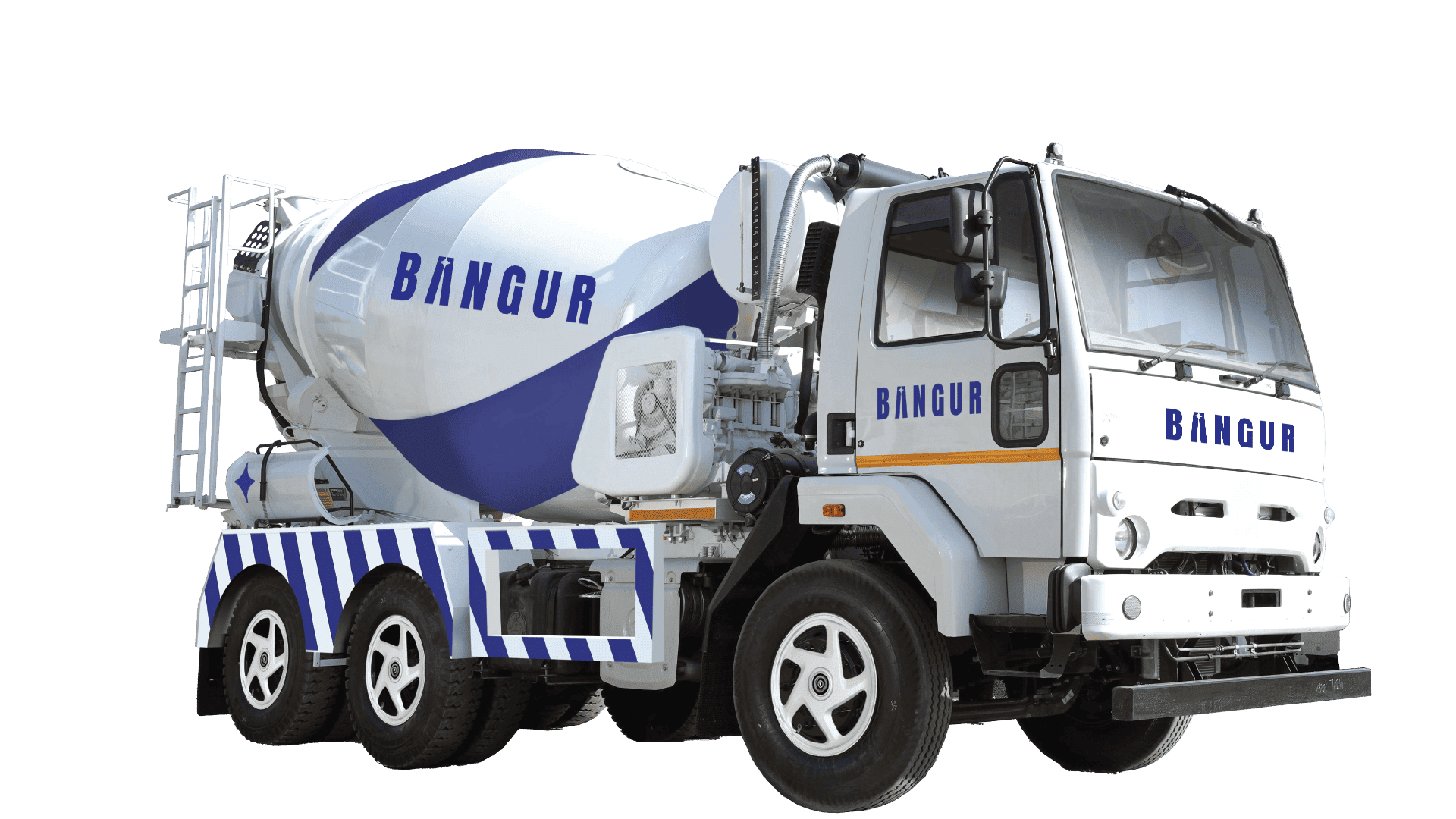
Ready-mix concrete, often called RMC, is concrete manufactured in a batching plant under controlled conditions. The mixture typically includes cement, water, aggregates, and additives in precise proportions. Once prepared, the concrete is transported to the construction site using transit mixers.
The biggest advantage of ready-mix concrete is consistency. Since the batching process is automated and monitored, the quality remains uniform throughout the project.
Today, many modern construction projects rely on RMC because it helps reduce manual errors and speeds up the construction process. Companies like Shree Cement support quality-focused construction by offering high-performance cement solutions that work effectively for ready-mix concrete applications.
What is Site-Mixed Concrete?
Site-mixed concrete is prepared directly at the construction location. Workers manually mix cement, sand, aggregates, and water using labor or small concrete mixers. The proportions may vary depending on worker experience and project requirements.
This traditional method is still common in small-scale residential projects, rural construction, and areas where access to ready-mix plants is limited.
While site mixing offers flexibility for small quantities, maintaining consistent quality can sometimes become difficult due to variations in material measurement and water content.
Key Differences Between Ready-Mix and Site-Mixed Concrete
Understanding the core differences between these two types of concrete can help you make the right decision.
1. Quality Control
Ready-mix concrete is produced in a controlled environment using automated systems. This ensures accurate proportions and better quality consistency.
Site-mixed concrete depends heavily on labor skills and manual measurements. Even small mistakes in water or cement quantity can affect strength and durability.
If your project requires high structural reliability, ready-mix concrete generally offers better quality assurance.
2. Construction Speed
RMC significantly reduces construction time because the concrete arrives ready for pouring. This helps contractors complete work faster and maintain project schedules.
Site mixing takes more time because raw materials need to be transported, measured, and mixed on-site.
For large projects where deadlines matter, ready-mix concrete is often the preferred option.
3. Labor Requirements
Site-mixed concrete requires more manpower for measuring, mixing, transportation, and pouring. Labor costs can increase substantially, especially in urban areas where skilled workers are expensive.
Ready-mix concrete reduces dependence on manual labor. Fewer workers are needed for handling and pouring the material.
This makes RMC a practical choice for projects facing labor shortages.
4. Material Wastage
Material wastage is generally lower with ready-mix concrete because the batching process is carefully controlled.
In site mixing, inaccurate measurements and improper handling can lead to excess material consumption and wastage.
Reducing wastage not only lowers costs but also improves sustainability in construction.
5. Cost Considerations
At first glance, site-mixed concrete may appear cheaper for small projects. However, hidden costs related to labor, material wastage, storage, and delays can increase the overall expense.
Ready-mix concrete may involve transportation costs, but it often becomes more economical for medium and large projects because of improved efficiency and reduced waste.
The final cost depends on project size, location, and concrete requirements.
Advantages of Ready-Mix Concrete
1. Better Strength and Durability
Because RMC follows standardized mix designs, the concrete achieves consistent compressive strength and durability. This is especially important for high-rise buildings, bridges, and commercial structures.
Using quality cement products from trusted manufacturers like Shree Cement can further improve structural performance and long-term reliability.
2. Faster Project Completion
Construction delays can increase project costs significantly. Since ready-mix concrete is delivered ready to use, contractors can complete work quickly and improve productivity.
3. Cleaner Construction Sites
Site mixing often creates dust, clutter, and storage issues. RMC minimizes on-site material handling, making the work environment cleaner and safer.
4. Reduced Human Error
Manual mixing can lead to inconsistent concrete quality. Automated batching in RMC plants helps eliminate these variations.
5. Eco-Friendly Construction
Modern RMC plants optimize material usage and reduce waste generation. Efficient batching also lowers the environmental impact of construction activities.
Advantages of Site-Mixed Concrete
Despite the growing popularity of RMC, site mixing still offers certain benefits in specific situations.
1. Suitable for Small Projects
For minor repair work or small residential projects, site mixing can be convenient because only limited quantities of concrete are required.
2. Easier in Remote Locations
In areas where ready-mix plants are unavailable or transportation is difficult, site mixing becomes the practical option.
3. Greater Flexibility for Small Batches
Small modifications in mix proportions can be made instantly during site mixing, depending on project requirements.
Limitations of Ready-Mix Concrete
Although RMC offers several benefits, it also has some limitations.
1. Transportation Constraints
Concrete must be delivered and poured within a specific time frame. Long distances or traffic delays can affect workability.
2. Not Ideal for Very Small Quantities
For small household tasks, ordering ready-mix concrete may not always be cost-effective.
3. Requires Proper Planning
Since RMC delivery follows scheduled timelines, construction teams must prepare the site beforehand to avoid delays.
Limitations of Site-Mixed Concrete
1. Inconsistent Quality
Manual mixing increases the chances of uneven material proportions and inconsistent strength.
2. Higher Labor Dependency
Finding skilled workers for accurate mixing and handling can be difficult and expensive.
3. More Wastage
Improper storage and handling of raw materials often lead to higher wastage.
4. Slower Construction
Preparing concrete on-site consumes more time and can delay project completion.
Which One Should You Choose?
The right choice depends on the scale and requirements of your project.
Choose Ready-Mix Concrete If:
You are working on a medium or large construction project
Consistent quality and strength are important
You want faster construction timelines
Labor availability is limited
You want to reduce material wastage
Ready-mix concrete is widely preferred for commercial buildings, apartments, infrastructure projects, and urban construction.
Choose Site-Mixed Concrete If:
Your project is small or temporary
The site is located in a remote area
You require only a limited quantity of concrete
Access to RMC delivery is unavailable
For small residential repairs or rural construction, site mixing may still be a practical choice.
Factors to Consider Before Making a Decision
Before selecting a concrete mixing method, evaluate the following factors carefully:
1. Project Size
Larger projects usually benefit more from ready-mix concrete because of efficiency and quality consistency.
2. Budget
Compare total project costs rather than only material prices. Include labor, wastage, transportation, and delays in your calculations.
3. Site Accessibility
Check whether transit mixers can easily reach your construction location.
4. Quality Expectations
If structural durability and long-term performance are priorities, RMC often delivers better results.
5. Time Constraints
Projects with tight deadlines generally perform better with ready-mix concrete solutions.
The Growing Popularity of Ready-Mix Concrete in India
India’s construction industry is rapidly moving toward ready-mix concrete because builders now prioritize speed, quality, and sustainability. Urbanization, infrastructure growth, and increasing demand for high-rise construction have accelerated the adoption of RMC across cities.
At the same time, trusted cement manufacturers like Shree Cement continue supporting modern construction practices by providing high-quality cement products designed for strength and durability.
As construction standards evolve, ready-mix concrete is expected to become even more common in residential and commercial projects.
Final Thoughts
Both ready-mix concrete and site-mixed concrete have their place in the construction industry. The best option depends on your project size, budget, location, and quality expectations.
If you want better consistency, faster construction, lower wastage, and improved structural performance, ready-mix concrete is usually the smarter choice. On the other hand, site-mixed concrete can still work well for smaller projects and remote locations where flexibility matters more.
No matter which method you choose, using high-quality cement remains essential for achieving durable and reliable construction results. Selecting trusted construction materials from established companies like Shree Cement can help ensure your structure stands strong for years to come.

Cookies help us display personalized product recommendations and ensure you have a great experience.
Accept Cookies