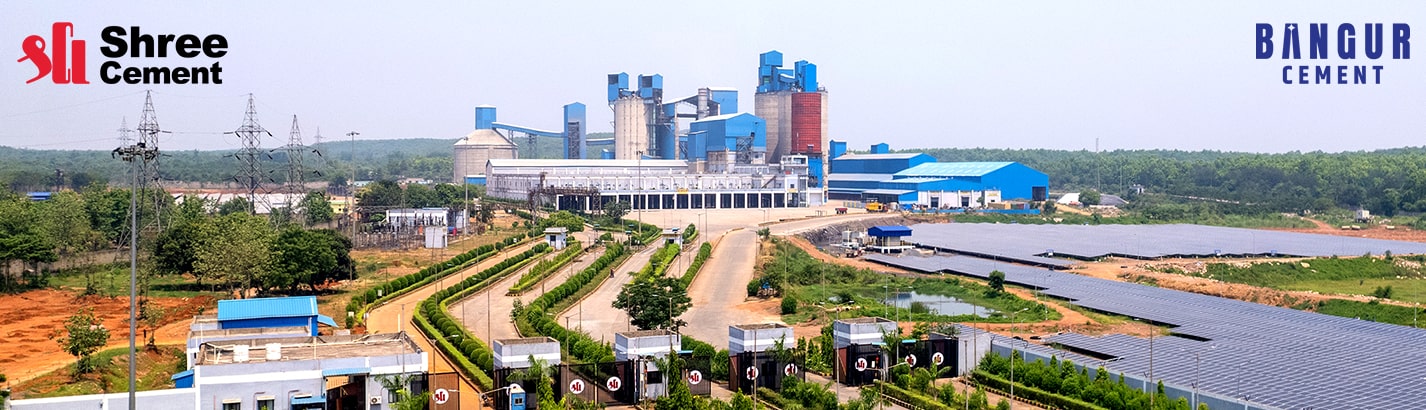
The Role Of Cement Manufacturers in India's Infrastructure Development
- Sep 23
- 4 min read
Traffic jams from flyover construction. Metro work blocking half the roads. Construction sites everywhere you look. Living in any Indian city means dealing with constant infrastructure development disruptions.
Most people just see the inconvenience, but the scale is actually impressive.
Behind all this visible progress sits an industry most people rarely think about: cement manufacturing. India is the second-largest producer of cement in the world. The Indian cement industry accounts for more than 8% of the global installed capacity. Without steady cement supply, India's infrastructure ambitions would remain sketches on drawing boards.
The Backbone of Every Project
Managing cement supply for major construction project work involves challenges most people never consider. A highway section might need 50,000 tonnes delivered over two years, often to remote locations with limited transport access.
Cement companies have become logistics experts out of necessity. Plants get strategically placed near transport corridors, but moving thousands of tonnes to project sites still requires serious planning. Some companies run dedicated truck fleets. Others have exclusive railway agreements.
The cement industry in India has adapted to project scheduling demands too. Concrete pours can't wait; if cement doesn't arrive on schedule, entire construction crews sit idle. Many contractors can now order cement online and track deliveries in real-time, which beats the old system of phone calls to distributors.
Technical Innovation Under Pressure
Modern infrastructure puts cement through stresses that weren't relevant when most plants were designed. Skyscrapers need Ordinary Portland Cement (OPC) that handles extreme loads. Coastal projects require blended cement formulations that resist saltwater corrosion.
Metro tunnel projects create unique demands. Standard cement might take too long to set, disrupting traffic above ground for extended periods. Cement manufacturers like Bangur have developed rapid-setting variants specifically for urban tunneling work.
Environmental regulations have pushed innovation too. Newer blended cement incorporates industrial waste like fly ash from power plants. These formulations often perform better than traditional cement while reducing environmental impact.
Economic Impact Beyond Construction
The cement industry's influence reaches far beyond factory gates. Companies like Bangur Cement operate across multiple states, creating employment networks that support entire regions.
Direct employment includes plant workers, engineers, and quality control staff. But indirect impact is much larger—transportation networks, equipment suppliers, raw material providers all depend on cement production activity.
Distribution has evolved significantly. Most towns now have a reliable "cement dealer near me" option, making quality cement accessible for smaller projects. Online ordering has democratized access further, allowing small contractors to purchase directly from manufacturers at better prices.
Frequently Asked Questions
What is the role of cement industry in India?
It plays a foundational, binding, and pivotal role in both the infrastructure and socioeconomic development of the country. The cement industry supplies essential materials for highways, metros, ports, and urban development while creating extensive employment networks.
What is the position of India in the production of cement?
India is the second-largest producer of cement in the world. It accounts for more than 8% of the global installed capacity. This massive production capacity makes India a major player in global construction materials.
What is the contribution of cement industry to economic development?
The industry contributes through direct employment at plants, extensive indirect employment through supply chains, regional economic support, and enabling infrastructure projects that drive broader economic growth. It is the fifth-largest revenue contributor to the exchequer, as it contributes over INR 500 billion/yr to the government via taxes and levies.
How does the production of cement impact society?
Cement production creates employment in urban and rural areas, supports local economies through supply chains, and provides the material foundation for improving quality of life through better connectivity and infrastructure.

Cookies help us display personalized product recommendations and ensure you have a great experience.
Accept Cookies